Premium Phosphosite-Specific 7TM Antibodies
Your Resource for GPCR Research
Select Your Country of Delivery below

Cholecystokinin Receptor 2 Antibodies

Close filters
No results were found for the filter!
NEW
Agonist-induced Serine437/Threonine439 phosphorylation of CCK2 Receptor.
pS437/pT439-CCK2 (phospho-Cholecystokinin...
Serine437/Threonine439 (S437/T439) is a major phosphorylation site of the CCK2 receptor. The pS437/pT439-CCK2 antibody detects phosphorylation in response to high-efficacy agonists. S437/T439 phosphorylation is a key regulator of CCK2...
$ 375.00 *
NEW
Agonist-induced and Agonist-independent Threonine427/Serine429 phosphorylation of CCK2 Receptor
pT427/pS429-CCK2 (phospho-Cholecystokinin...
Threonine427/Serine429 (T427/S429) is a major phosphorylation site of the CCK2 receptor. The pT427/pS429-CCK2 antibody detects phosphorylation in response to high-efficacy agonists. T427/S429 phosphorylation is a key regulator of CRF1...
$ 375.00 *
Citations
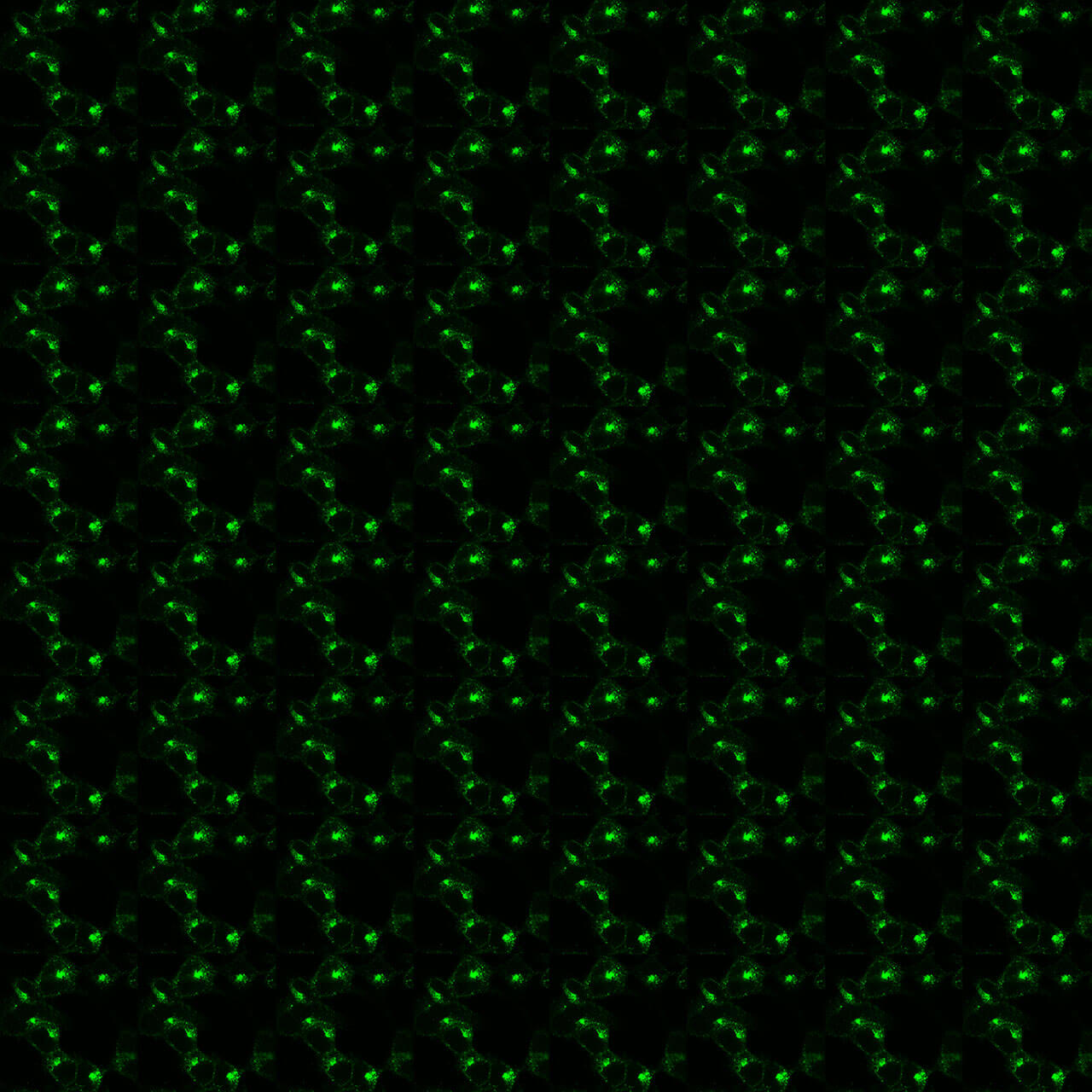
 Validation of the Cholecystokinin Receptor 2 in transfected HEK293 cells
CCK2 (non-phospho), Cholecystokinin Receptor 2...
The CCK2 receptor antibody is directed against the distal end of the carboxyl-terminal tail of human Cholecystokinin Receptor 2 (previously called CCKB). It can be used to detect total CCK2 receptors in Western blots independent of...
$ 375.00 *


The cholecystokinin type 2 receptor (CCK₂), formerly known as CCK-B or the gastrin receptor and encoded by
CCKBR, is a class A G protein-coupled receptor activated by gastrin and by both sulfated and nonsulfated forms of cholecystokinin. It couples predominantly to Gq/11, activating phospholipase C and increasing intracellular calcium. CCK₂ is expressed in the gastric mucosa, particularly on enterochromaffin-like cells, and in several regions of the central nervous system. In the stomach, gastrin activates CCK₂ on enterochromaffin-like cells to stimulate histamine release, which in turn drives acid secretion by parietal cells. Sustained gastrin signaling also promotes enterochromaffin-like cell proliferation and can contribute to the development of type 1 gastric neuroendocrine tumors. Agonist stimulation can induce receptor internalization, regulating its availability at the cell surface. The selective oral antagonist netazepide has been evaluated in clinical studies in patients with type 1 gastric neuroendocrine tumors. The radiolabeled gastrin analogue lutetium-177–PP-F11N has also entered early clinical testing as a targeted radionuclide therapy for CCK₂-expressing tumors. CCK2 receptor desensitization, β-arrestin recruitment and internalization are regulated by phosphorylation of carboxyl-terminal threonine427/serine429 (pT427/pS429-CCK2) and serine437/threonine439 (pS437/pT439-CCK2). This nomenclature refers to the human CCK2. This phosphorylation motif is conserved across species but corresponds to pT433/pS435-CCK2 and pS443/pT445-CCK2 in mice and pT432/pS434-CCK2 and pS442/pT444-CCK2 in rats. For more information on CCK2 pharmacology please refer to the IUPHAR database. For further reading refer to:

Noble F, Wank SA, Crawley JN, Bradwejn J, Seroogy KB, Hamon M, Roques BP. International Union of Pharmacology. XXI. Structure, distribution, and functions of cholecystokinin receptors. Pharmacol Rev. 1999 Dec;51(4):745-81. Erratum in: Pharmacol Rev 2000 Mar;52(1):177. PMID: 10581329.

Dufresne M, Seva C, Fourmy D. Cholecystokinin and gastrin receptors. Physiol Rev. 2006 Jul;86(3):805-47. doi: 10.1152/physrev.00014.2005. PMID: 16816139.

The cholecystokinin type 2 receptor (CCK₂), formerly known as CCK-B or the gastrin receptor and encoded by CCKBR , is a class A G protein-coupled receptor activated by gastrin and by... read more »
Close window
Cholecystokinin Receptor 2 Antibodies


The cholecystokinin type 2 receptor (CCK₂), formerly known as CCK-B or the gastrin receptor and encoded by
CCKBR, is a class A G protein-coupled receptor activated by gastrin and by both sulfated and nonsulfated forms of cholecystokinin. It couples predominantly to Gq/11, activating phospholipase C and increasing intracellular calcium. CCK₂ is expressed in the gastric mucosa, particularly on enterochromaffin-like cells, and in several regions of the central nervous system. In the stomach, gastrin activates CCK₂ on enterochromaffin-like cells to stimulate histamine release, which in turn drives acid secretion by parietal cells. Sustained gastrin signaling also promotes enterochromaffin-like cell proliferation and can contribute to the development of type 1 gastric neuroendocrine tumors. Agonist stimulation can induce receptor internalization, regulating its availability at the cell surface. The selective oral antagonist netazepide has been evaluated in clinical studies in patients with type 1 gastric neuroendocrine tumors. The radiolabeled gastrin analogue lutetium-177–PP-F11N has also entered early clinical testing as a targeted radionuclide therapy for CCK₂-expressing tumors. CCK2 receptor desensitization, β-arrestin recruitment and internalization are regulated by phosphorylation of carboxyl-terminal threonine427/serine429 (pT427/pS429-CCK2) and serine437/threonine439 (pS437/pT439-CCK2). This nomenclature refers to the human CCK2. This phosphorylation motif is conserved across species but corresponds to pT433/pS435-CCK2 and pS443/pT445-CCK2 in mice and pT432/pS434-CCK2 and pS442/pT444-CCK2 in rats. For more information on CCK2 pharmacology please refer to the IUPHAR database. For further reading refer to:

Noble F, Wank SA, Crawley JN, Bradwejn J, Seroogy KB, Hamon M, Roques BP. International Union of Pharmacology. XXI. Structure, distribution, and functions of cholecystokinin receptors. Pharmacol Rev. 1999 Dec;51(4):745-81. Erratum in: Pharmacol Rev 2000 Mar;52(1):177. PMID: 10581329.

Dufresne M, Seva C, Fourmy D. Cholecystokinin and gastrin receptors. Physiol Rev. 2006 Jul;86(3):805-47. doi: 10.1152/physrev.00014.2005. PMID: 16816139.

Recently viewed