Premium Phosphosite-Specific 7TM Antibodies
Your Resource for GPCR Research
Select Your Country of Delivery below

Chemerin Receptor 1 Antibodies

Close filters
No results were found for the filter!
NEW
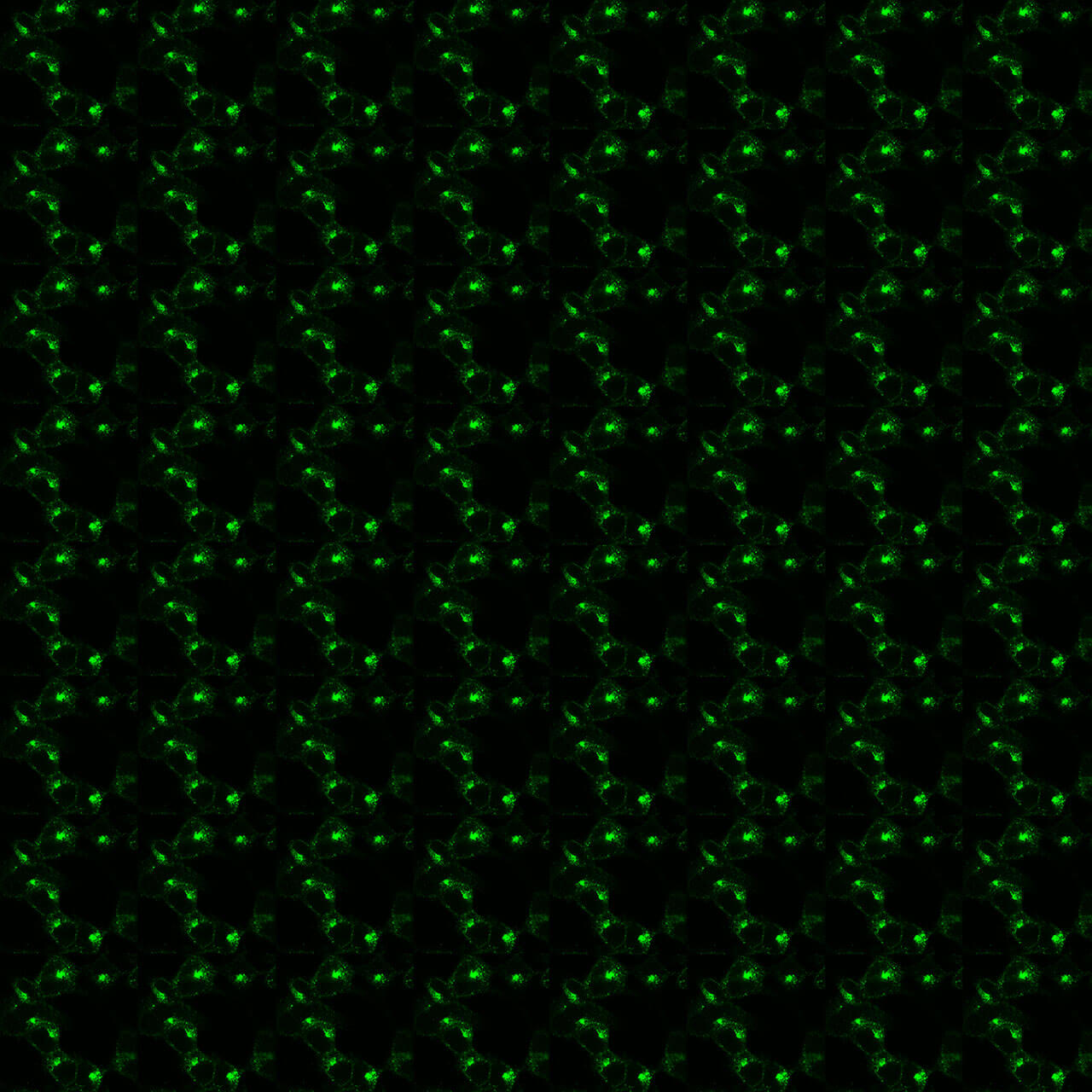
Agonist-induced Serine357/Serine358 phosphorylation of Chemerin Receptor 1.
pS357/pS358-CMKLR1 (phospho-Chemerin Receptor 1...
Serine357/Serine358 (S357/S358) is a major phosphorylation site of the Chemerin receptor 1 (CMKLR1). The pS357/pS358-CMKLR1 antibody detects phosphorylation in response to high-efficacy agonists. S357/S358 phosphorylation is a key...
$ 375.00 *
NEW
Agonist-induced Serine352/Threonine354 phosphorylation of Chemerin Receptor 1
pS352/pT354-CMKLR1 (phospho-Chemerin Receptor 1...
Serine352/Threonine354 (S352/T354) is a major phosphorylation site of the Chemerin receptor 1 (CMKLR1). The pS352/pT354-CMKLR1 antibody detects phosphorylation in response to high-efficacy agonists. S352/T354 phosphorylation is a key...
$ 375.00 *
NEW
Agonist-induced Serine345/Serine346 phosphorylation of Chemerin Receptor 1
pS345/pS346-CMKLR1 (phospho-Chemerin Receptor 1...
Serine345/Serine346 (S345/S346) is a major phosphorylation site of the Chemerin receptor 1 (CMKLR1). The pS345/pS346-CMKLR1 antibody detects phosphorylation in response to high-efficacy agonists. S345/S346 phosphorylation is a key...
$ 375.00 *


Chemerin receptor 1 (CMKLR1, also known as ChemR23) is a class A G protein-coupled receptor activated by chemerin, an adipokine and chemoattractant. Chemerin is secreted as a weakly active precursor, and proteolytic processing of its C terminus generates forms with different potencies at CMKLR1. The receptor couples predominantly to Gi/o, inhibiting adenylyl cyclase, and can also recruit β-arrestins. CMKLR1 is expressed in adipose tissue, vascular smooth muscle, and several immune cell populations, including macrophages, dendritic cells, and natural killer cells. It mediates chemerin-directed immune cell migration and has been implicated in adipose tissue metabolism and vascular tone. Chemerin and its C-terminal nonapeptide C9 induce receptor internalization, and studies in recombinant cells have identified two C-terminal serine residues that contribute to this process. C9 is used experimentally as a chemerin-derived agonist, and CCX832 is a selective small-molecule CMKLR1 antagonist. No CMKLR1-selective drug is currently approved for therapeutic use. The Chemerin1 receptor is regulated by phosphorylation of carboxyl-terminal serine345/serine346 (pS345/pS346-CMKLR1), serine352/threonine354 (pS352/pT352-CMKLR1) and serine357/serine358 (pS357/pS358-CMKLR1). This nomenclature refers to the human CMKLR1. This phosphorylation motif is highly conserved across species and nearly identical in mice. Rats and humans. For more information on CMKLR1 pharmacology please refer to the IUPHAR database. For further reading refer to:

Kennedy AJ, Davenport AP. International Union of Basic and Clinical Pharmacology CIII: Chemerin Receptors CMKLR1 (Chemerin1) and GPR1 (Chemerin2) Nomenclature, Pharmacology, and Function. Pharmacol Rev. 2018 Jan;70(1):174-196. doi: 10.1124/pr.116.013177. Epub 2017 Dec 26. PMID: 29279348

Davenport AP, Monaghan AE. Chemerin receptors (version 2019.3) in the IUPHAR/BPS Guide to Pharmacology Database. IUPHAR/BPS Guide to Pharmacology CITE. 2019; 2019(3). Available from: https://doi.org/10.2218/gtopdb/F338/2021.3.

  Chemerin receptor 1 (CMKLR1, also known as ChemR23) is a class A G protein-coupled receptor activated by chemerin, an adipokine and chemoattractant. Chemerin is secreted as a weakly... read more »
Close window
Chemerin Receptor 1 Antibodies


Chemerin receptor 1 (CMKLR1, also known as ChemR23) is a class A G protein-coupled receptor activated by chemerin, an adipokine and chemoattractant. Chemerin is secreted as a weakly active precursor, and proteolytic processing of its C terminus generates forms with different potencies at CMKLR1. The receptor couples predominantly to Gi/o, inhibiting adenylyl cyclase, and can also recruit β-arrestins. CMKLR1 is expressed in adipose tissue, vascular smooth muscle, and several immune cell populations, including macrophages, dendritic cells, and natural killer cells. It mediates chemerin-directed immune cell migration and has been implicated in adipose tissue metabolism and vascular tone. Chemerin and its C-terminal nonapeptide C9 induce receptor internalization, and studies in recombinant cells have identified two C-terminal serine residues that contribute to this process. C9 is used experimentally as a chemerin-derived agonist, and CCX832 is a selective small-molecule CMKLR1 antagonist. No CMKLR1-selective drug is currently approved for therapeutic use. The Chemerin1 receptor is regulated by phosphorylation of carboxyl-terminal serine345/serine346 (pS345/pS346-CMKLR1), serine352/threonine354 (pS352/pT352-CMKLR1) and serine357/serine358 (pS357/pS358-CMKLR1). This nomenclature refers to the human CMKLR1. This phosphorylation motif is highly conserved across species and nearly identical in mice. Rats and humans. For more information on CMKLR1 pharmacology please refer to the IUPHAR database. For further reading refer to:

Kennedy AJ, Davenport AP. International Union of Basic and Clinical Pharmacology CIII: Chemerin Receptors CMKLR1 (Chemerin1) and GPR1 (Chemerin2) Nomenclature, Pharmacology, and Function. Pharmacol Rev. 2018 Jan;70(1):174-196. doi: 10.1124/pr.116.013177. Epub 2017 Dec 26. PMID: 29279348

Davenport AP, Monaghan AE. Chemerin receptors (version 2019.3) in the IUPHAR/BPS Guide to Pharmacology Database. IUPHAR/BPS Guide to Pharmacology CITE. 2019; 2019(3). Available from: https://doi.org/10.2218/gtopdb/F338/2021.3.
Recently viewed