
Premium Phosphosite-Specific 7TM Antibodies
Your Resource for GPCR Research
Select Your Country of Delivery below

Galanin Receptor 1 Antibodies

Close filters
No results were found for the filter!
Rabbit Monoclonal
NEW
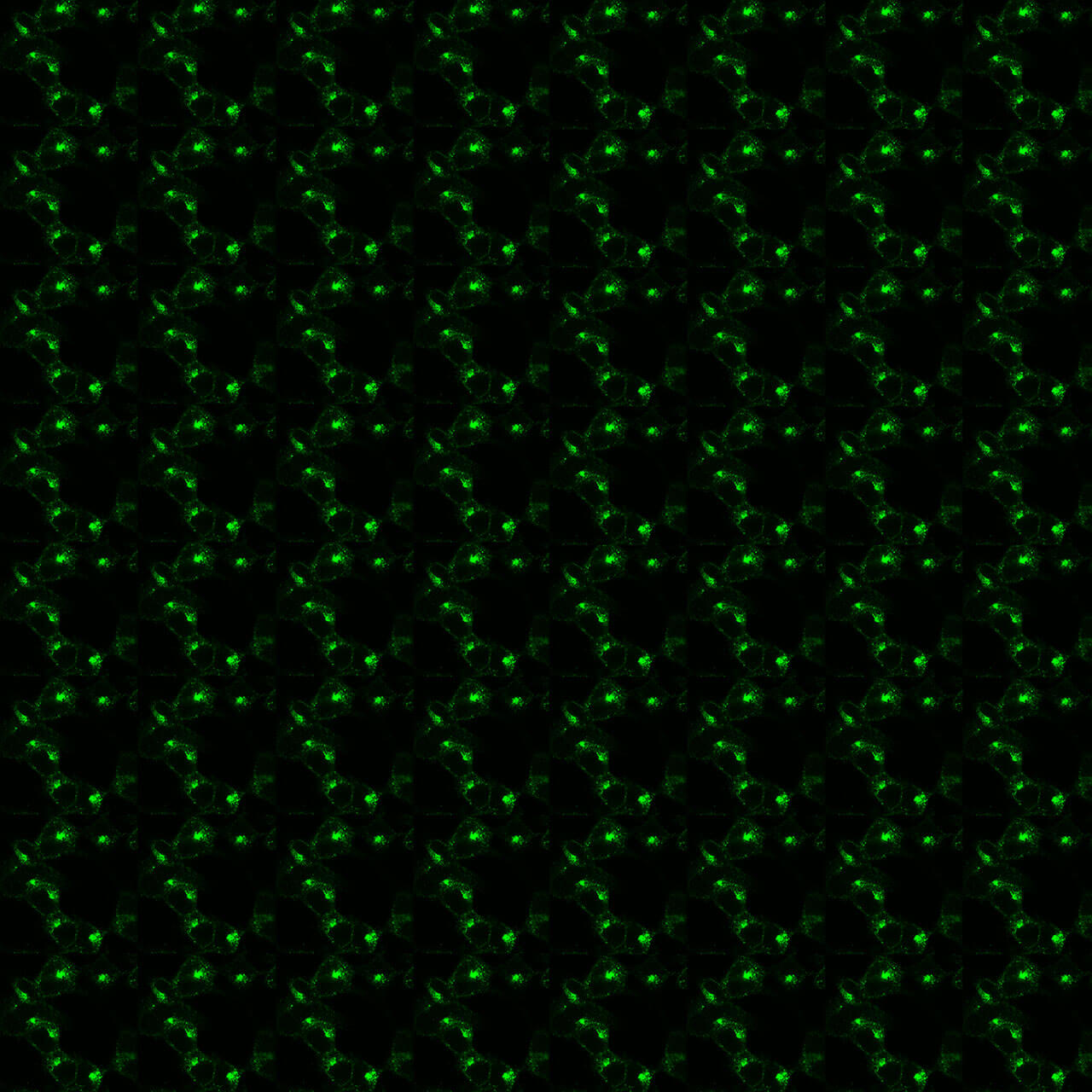
Validation of the Galanin Receptor 1 in transfected HEK293 cells.
GAL1 [UMB14] (RM-non-phospho-Galanin Receptor 1...
The non-phospho-GAL1 antibody is directed against the distal end of the carboxyl-terminal tail of human GAL1. It can be used to detect total GAL1 receptors in Western blots independent of phosphorylation. The GAL1 antibody can also be...
$ 495.00 *
NEW
Agonist-induced Threonine340 phosphorylation of GAL1 Receptor.
pT340-GAL1 (phospho-Galanin Receptor 1 Antibody)
Threonine340 (T340) is a major phosphorylation site of the GAL1 receptor. The pT340-GAL1 antibody detects phosphorylation in response to high-efficacy agonists. T340 phosphorylation is a key regulator of GAL1 desensitization, β-arrestin...
$ 375.00 *
NEW
Validation of the Galanin Receptor 1 in transfected HEK293 cells
GAL1 (non-phospho), Galanin Receptor 1 Antibody
The non-phospho-GAL1 receptor antibody is directed against the carboxyl-terminal tail of human GAL1. It can be used to detect total GAL1 receptors in Western blots independent of phosphorylation. The non-phospho-GAL1 antibody can also be...
$ 375.00 *

Galanin receptor 1 (GAL₁), encoded by GALR1, is a class A G protein-coupled receptor activated by the endogenous neuropeptide galanin. It couples predominantly to Gi/o, inhibiting adenylyl cyclase and promoting potassium channel activation in some neuronal populations. GAL₁ is expressed in brain regions including the hypothalamus, hippocampus, and amygdala, as well as in the spinal cord and peripheral nervous system. Its activation generally reduces neuronal excitability and neurotransmitter release. Animal studies implicate GAL₁ in the regulation of pain, seizure susceptibility, feeding, and stress-related behavior. Galanin can induce GAL₁ internalization in recombinant cells, although the mechanisms controlling receptor trafficking in native neurons remain incompletely characterized. The synthetic peptide M617 is used as a GAL₁-preferring experimental agonist, with selectivity that depends on the receptor subtype and assay conditions. No GAL₁-selective drug has been reported to enter clinical trials or receive approval for therapeutic use. GAL1 receptor desensitization, β-arrestin recruitment and internalization are regulated by phosphorylation of carboxyl-terminal threonine340 (pT340-GAL1). This nomenclature refers to the human GAL1 receptor. This phosphorylation motif is highly conserved across species but corresponds to pT339-GAL1 and pT337-GAL1 in mice and rats, respectively. For more information on GAL1 pharmacology please refer to the IUPHAR database. For further reading refer to:

Lang R, Gundlach AL, Holmes FE, Hobson SA, Wynick D, Hökfelt T, Kofler B. Physiology, signaling, and pharmacology of galanin peptides and receptors: three decades of emerging diversity. Pharmacol Rev. 2015;67(1):118-75. doi: 10.1124/pr.112.006536. PMID: 25428932.

Gundlach AL, Ryan PJ. Galanin receptors (version 2019.4) in the IUPHAR/BPS Guide to Pharmacology Database. IUPHAR/BPS Guide to Pharmacology CITE. 2019; 2019(4).

Galanin receptor 1 (GAL₁), encoded by GALR1 , is a class A G protein-coupled receptor activated by the endogenous neuropeptide galanin. It couples predominantly to Gi/o, inhibiting adenylyl... read more »
Close window
Galanin Receptor 1 Antibodies

Galanin receptor 1 (GAL₁), encoded by GALR1, is a class A G protein-coupled receptor activated by the endogenous neuropeptide galanin. It couples predominantly to Gi/o, inhibiting adenylyl cyclase and promoting potassium channel activation in some neuronal populations. GAL₁ is expressed in brain regions including the hypothalamus, hippocampus, and amygdala, as well as in the spinal cord and peripheral nervous system. Its activation generally reduces neuronal excitability and neurotransmitter release. Animal studies implicate GAL₁ in the regulation of pain, seizure susceptibility, feeding, and stress-related behavior. Galanin can induce GAL₁ internalization in recombinant cells, although the mechanisms controlling receptor trafficking in native neurons remain incompletely characterized. The synthetic peptide M617 is used as a GAL₁-preferring experimental agonist, with selectivity that depends on the receptor subtype and assay conditions. No GAL₁-selective drug has been reported to enter clinical trials or receive approval for therapeutic use. GAL1 receptor desensitization, β-arrestin recruitment and internalization are regulated by phosphorylation of carboxyl-terminal threonine340 (pT340-GAL1). This nomenclature refers to the human GAL1 receptor. This phosphorylation motif is highly conserved across species but corresponds to pT339-GAL1 and pT337-GAL1 in mice and rats, respectively. For more information on GAL1 pharmacology please refer to the IUPHAR database. For further reading refer to:

Lang R, Gundlach AL, Holmes FE, Hobson SA, Wynick D, Hökfelt T, Kofler B. Physiology, signaling, and pharmacology of galanin peptides and receptors: three decades of emerging diversity. Pharmacol Rev. 2015;67(1):118-75. doi: 10.1124/pr.112.006536. PMID: 25428932.

Gundlach AL, Ryan PJ. Galanin receptors (version 2019.4) in the IUPHAR/BPS Guide to Pharmacology Database. IUPHAR/BPS Guide to Pharmacology CITE. 2019; 2019(4).

Recently viewed