XCR Chemokine Receptor 1 Antibodies
The X-C motif chemokine receptor 1 (XCR1) is a G protein–coupled receptor that specifically binds the chemokine XCL1 and plays a central role in immune cell communication. Pharmacologically, XCR1 belongs to the class A GPCR family and primarily signals through Gi/o proteins, leading to inhibition of adenylyl cyclase, reduced intracellular cAMP levels, and activation of downstream pathways such as MAPK and PI3K. Ligand binding triggers receptor conformational changes, β-arrestin recruitment, and receptor internalization, which together regulate the strength and duration of signaling. XCR1 is selectively expressed on a specialized subset of dendritic cells known as conventional type 1 dendritic cells (cDC1), which are crucial for antigen cross-presentation and cytotoxic T-cell activation. Its expression is tightly controlled by transcription factors such as Batf3 and IRF8 and is essential for efficient antiviral and antitumor immune responses. In recent years, XCR1 has attracted interest as a therapeutic target in cancer immunotherapy, where XCL1-based fusion proteins and antibody–antigen conjugates are being developed to deliver tumor antigens specifically to XCR1⁺ dendritic cells. Although no approved drugs directly target XCR1 yet, preclinical studies suggest that exploiting the XCL1–XCR1 axis may enhance vaccine efficacy and improve the precision of immunomodulatory treatments. For more information on XCR1 pharmacology please refer to the IUPHAR database. For further reading refer to:
Bachelerie F, Ben-Baruch A, Burkhardt AM, Combadiere C, Farber JM, Graham GJ, Horuk R, Sparre-Ulrich AH, Locati M, Luster AD, Mantovani A, Matsushima K, Murphy PM, Nibbs R, Nomiyama H, Power CA, Proudfoot AE, Rosenkilde MM, Rot A, Sozzani S, Thelen M, Yoshie O, Zlotnik A. International Union of Basic and Clinical Pharmacology. LXXXIX. Update on the extended family of chemokine receptors and introducing a new nomenclature for atypical chemokine receptors. Pharmacol Rev. 2013 Nov 11;66(1):1-79. doi: 10.1124/pr.113.007724. Print 2014. Review. Erratum in: Pharmacol Rev. 2014 Apr;66(2):467. PubMed PMID: 24218476; PubMed Central PMCID: PMC3880466.

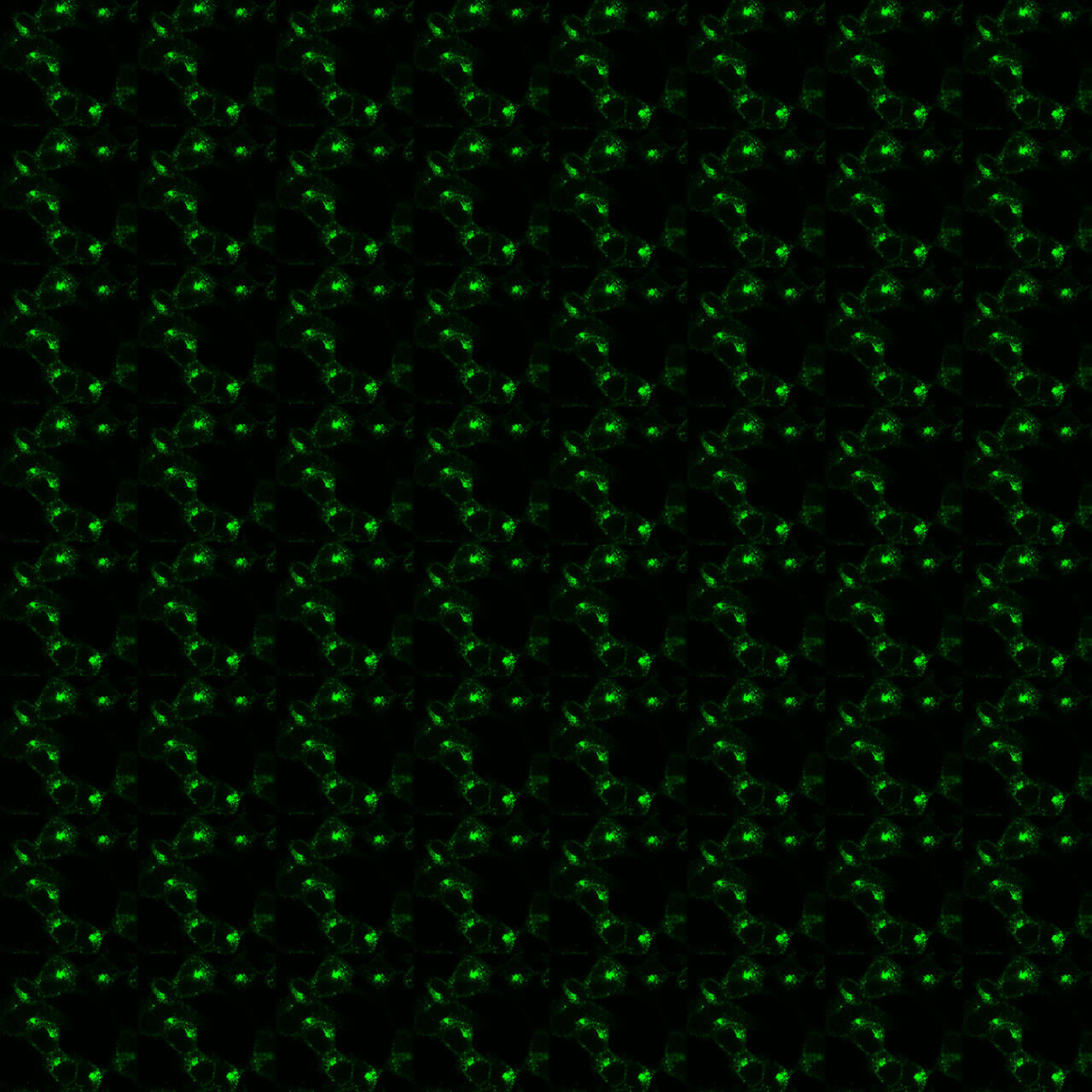
 XCR1 (IHC-grade), XCR Chemokine Receptor 1...
  XCR1 (non-phospho), XCR Chemokine Receptor 1...