The neuromedin U (NMU) receptor family consists of two main G protein–coupled receptors, NMU1 and NMU2, which mediate the physiological effects of the endogenous peptides neuromedin U (NMU) and the structurally related neuromedin S (NMS). NMU1 is predominantly expressed in peripheral tissues such as the gastrointestinal tract, pancreas, and immune cells, whereas NMU2 is mainly localized in the central nervous system, particularly in hypothalamic regions involved in energy balance and stress regulation. Both receptors couple primarily to Gq/11 proteins, leading to phospholipase C activation, intracellular calcium mobilization, and downstream signaling cascades. Through these mechanisms, NMU signaling influences smooth muscle contraction, feeding behavior, circadian rhythms, and nociception. NMU and NMS act as endogenous agonists with differing affinities and tissue-specific roles, contributing to the functional diversity of the receptor system. Pharmacologically, both NMU1 and NMU2 have attracted interest as potential drug targets for metabolic disorders such as obesity, as well as for stress-related and inflammatory conditions. Synthetic peptide agonists have been developed to selectively activate NMU receptors and reproduce anorexigenic and thermogenic effects observed in vivo. Additionally, efforts are ongoing to design stable analogs with improved pharmacokinetic properties and receptor selectivity. Antagonists and inhibitory modulators are also under investigation to better understand receptor function and to potentially counteract pathological NMU signaling. Overall, the NMU receptor family represents a complex signaling system with distinct yet complementary roles in peripheral and central physiology, offering multiple opportunities for pharmacological intervention.
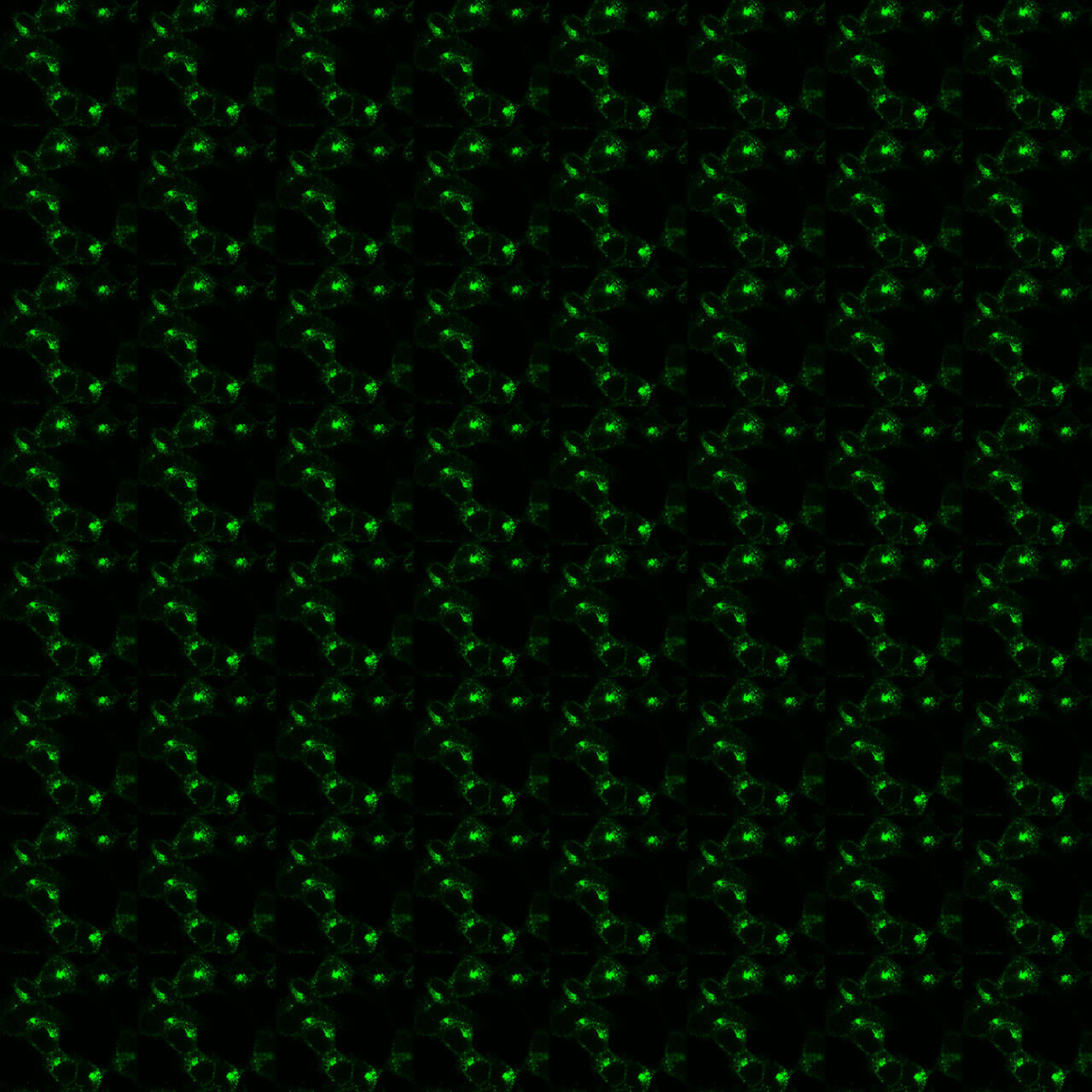
 pS396/pT397-NMU1 (phospho-Neuromedin U Receptor...