Premium Phosphosite-Specific 7TM Antibodies
Your Resource for GPCR Research
Select Your Country of Delivery below

GPR161 Receptor Antibodies

Close filters
No results were found for the filter!
NEW
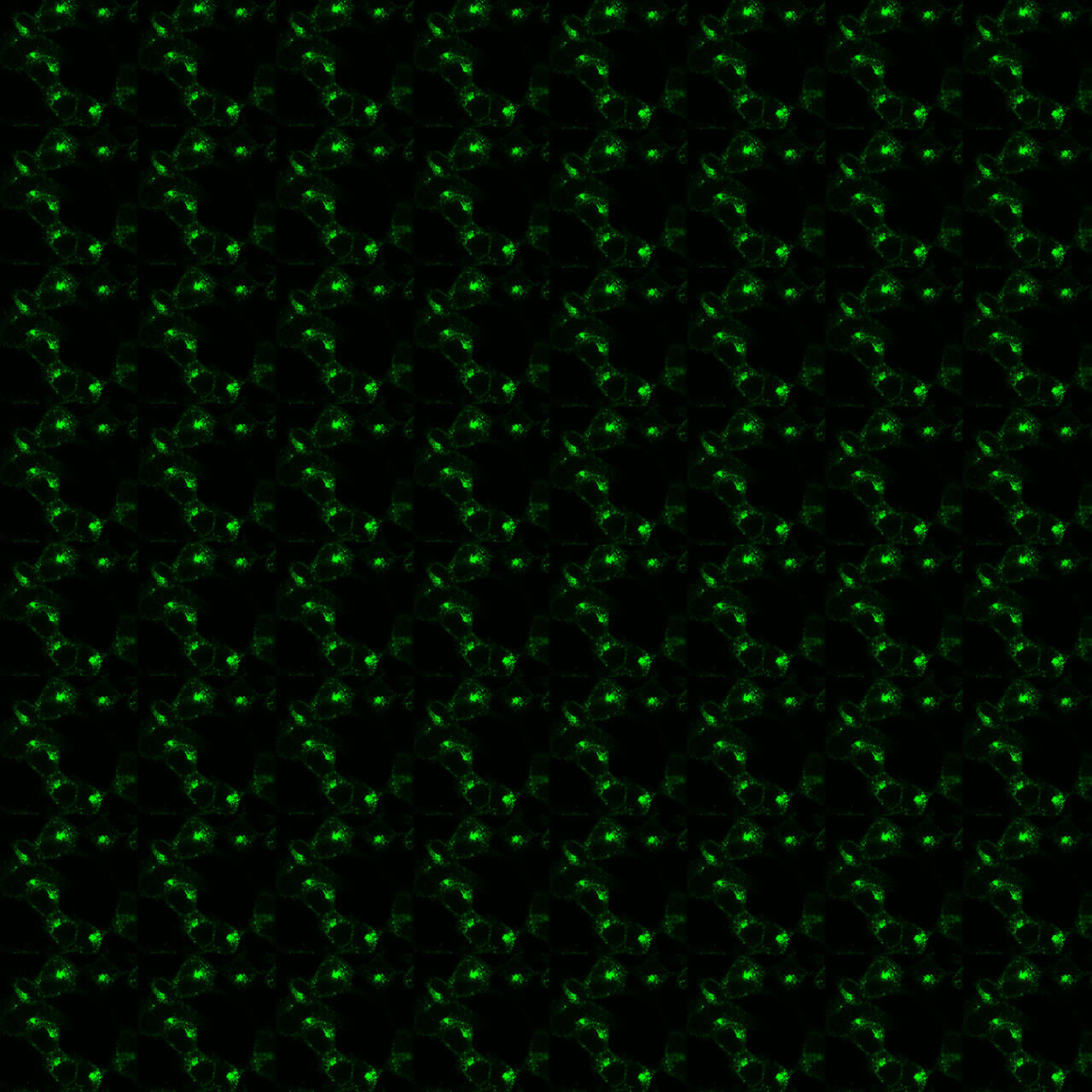
Validation of the GPR161 Receptor in transfected HEK293 cells
GPR161 (non-phospho), G protein-coupled...
The non-phospho-GPR161 receptor antibody is directed against the distal end of the carboxyl-terminal tail of human GPR161. It can be used to detect total GPR161 receptors in Western blots independent of phosphorylation. The GPR161...
$ 375.00 *

The G protein–coupled receptor 161 (GPR161) is an orphan class A GPCR that plays a critical regulatory role in developmental signaling, particularly within the Hedgehog pathway. Pharmacologically, its endogenous ligand has not been definitively identified, and it is generally considered constitutively active. GPR161 primarily couples to Gs proteins, leading to stimulation of adenylyl cyclase, increased intracellular cAMP levels, and activation of protein kinase A (PKA). Through this cAMP–PKA signaling axis, GPR161 negatively regulates Hedgehog signaling by promoting the processing of GLI transcription factors into their repressor forms. The receptor localizes to primary cilia, and its ciliary trafficking is dynamically regulated in response to Hedgehog pathway activation. GPR161 is widely expressed during embryonic development and in various adult tissues, where it contributes to tissue patterning and homeostasis. Genetic alterations in GPR161 have been associated with developmental abnormalities and certain cancers, including medulloblastoma. Currently, there are no approved drugs that directly target GPR161, but its role in Hedgehog-driven tumors has generated interest in developing modulators that could complement existing Hedgehog pathway inhibitors. For more information on GPR161 pharmacology please refer to the IUPHAR database. For further reading refer to:

Davenport AP, Alexander SP, Sharman JL, Pawson AJ, Benson HE, Monaghan AE, Liew WC, Mpamhanga CP, Bonner TI, Neubig RR, Pin JP, Spedding M, Harmar AJ. International Union of Basic and Clinical Pharmacology. LXXXVIII. G protein-coupled receptor list: recommendations for new pairings with cognate ligands. Pharmacol Rev. 2013 May 17;65(3):967-86. doi: 10.1124/pr.112.007179. PMID: 23686350; PMCID: PMC3698937.

Alexander SP, Battey J, Benson HE, Benya RV, Bonner TI, Davenport AP, Dhanachandra Singh K, Eguchi S, Harmar A, Holliday N, Jensen RT, Karnik S, Kostenis E, Liew WC, Monaghan AE, Mpamhanga C, Neubig R, Pawson AJ, Pin JP, Sharman JL, Spedding M, Spindel E, Stoddart L, Storjohann L, Thomas WG, Tirupula K, Vanderheyden P. Class A Orphans in GtoPdb v.2023.1. IUPHAR/BPS Guide to Pharmacology CITE. 2023; 2023(1). Available from: https://doi.org/10.2218/gtopdb/F16/2023.1.

The G protein–coupled receptor 161 ( GPR161 ) is an orphan class A GPCR that plays a critical regulatory role in developmental signaling, particularly within the Hedgehog pathway.... read more »
Close window
GPR161 Receptor Antibodies

The G protein–coupled receptor 161 (GPR161) is an orphan class A GPCR that plays a critical regulatory role in developmental signaling, particularly within the Hedgehog pathway. Pharmacologically, its endogenous ligand has not been definitively identified, and it is generally considered constitutively active. GPR161 primarily couples to Gs proteins, leading to stimulation of adenylyl cyclase, increased intracellular cAMP levels, and activation of protein kinase A (PKA). Through this cAMP–PKA signaling axis, GPR161 negatively regulates Hedgehog signaling by promoting the processing of GLI transcription factors into their repressor forms. The receptor localizes to primary cilia, and its ciliary trafficking is dynamically regulated in response to Hedgehog pathway activation. GPR161 is widely expressed during embryonic development and in various adult tissues, where it contributes to tissue patterning and homeostasis. Genetic alterations in GPR161 have been associated with developmental abnormalities and certain cancers, including medulloblastoma. Currently, there are no approved drugs that directly target GPR161, but its role in Hedgehog-driven tumors has generated interest in developing modulators that could complement existing Hedgehog pathway inhibitors. For more information on GPR161 pharmacology please refer to the IUPHAR database. For further reading refer to:

Davenport AP, Alexander SP, Sharman JL, Pawson AJ, Benson HE, Monaghan AE, Liew WC, Mpamhanga CP, Bonner TI, Neubig RR, Pin JP, Spedding M, Harmar AJ. International Union of Basic and Clinical Pharmacology. LXXXVIII. G protein-coupled receptor list: recommendations for new pairings with cognate ligands. Pharmacol Rev. 2013 May 17;65(3):967-86. doi: 10.1124/pr.112.007179. PMID: 23686350; PMCID: PMC3698937.

Alexander SP, Battey J, Benson HE, Benya RV, Bonner TI, Davenport AP, Dhanachandra Singh K, Eguchi S, Harmar A, Holliday N, Jensen RT, Karnik S, Kostenis E, Liew WC, Monaghan AE, Mpamhanga C, Neubig R, Pawson AJ, Pin JP, Sharman JL, Spedding M, Spindel E, Stoddart L, Storjohann L, Thomas WG, Tirupula K, Vanderheyden P. Class A Orphans in GtoPdb v.2023.1. IUPHAR/BPS Guide to Pharmacology CITE. 2023; 2023(1). Available from: https://doi.org/10.2218/gtopdb/F16/2023.1.

Recently viewed