Formylpeptide Receptor 2 Antibodies
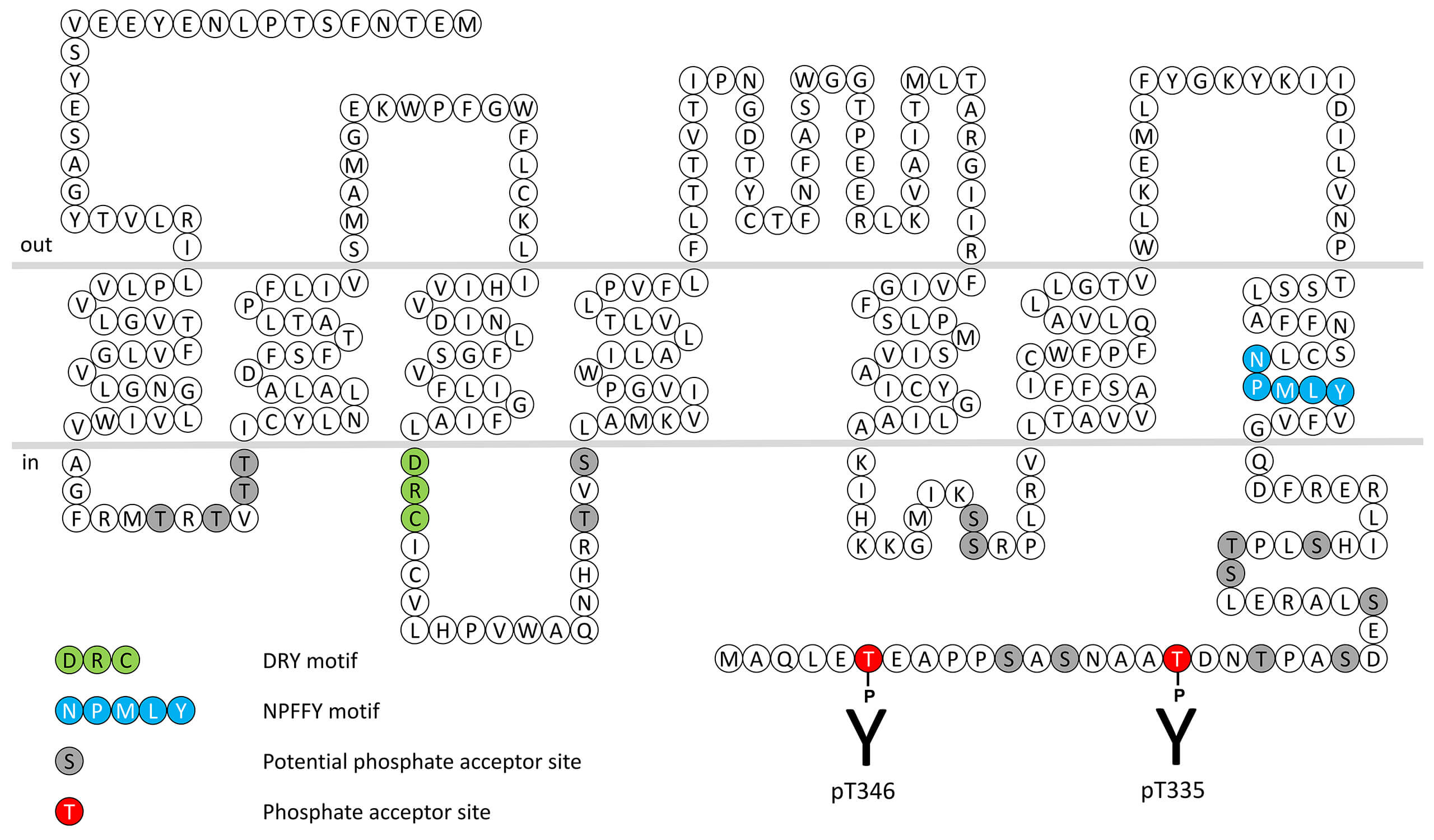
Formyl peptide receptor 2 (FPR2, also known as ALX), encoded by FPR2, is a class A G protein-coupled receptor that recognizes structurally diverse ligands. These include bacterial and mitochondrial N-formyl peptides, annexin A1 and its derived peptides, and the lipid mediator lipoxin A₄. FPR2 couples predominantly to Gi/o and can activate pathways that regulate intracellular calcium, cell migration, and immune cell activation. It is expressed on neutrophils, monocytes, and macrophages, as well as in some epithelial and vascular cells. Depending on the ligand and cellular context, FPR2 activation can promote neutrophil recruitment or support the resolution of inflammation by enhancing macrophage clearance of apoptotic cells. Agonists differ in their ability to induce receptor phosphorylation, β-arrestin recruitment, internalization, and desensitization. The small-molecule agonists ACT-389949 and BMS-986235 have entered early clinical testing, and repeated dosing with ACT-389949 was associated with receptor desensitization. No FPR2-selective drug is currently approved for therapeutic use. FPR2 receptor desensitization, β-arrestin recruitment and internalization are regulated by phosphorylation of carboxyl-terminal threonine335 (pT335-FPR2) and threonine346 (pT346-FPR2). This nomenclature refers to the human FPR2 receptor. For more information on FPR2 pharmacology please refer to the IUPHAR database. For further reading refer to:
Ye RD, Boulay F, Wang JM, Dahlgren C, Gerard C, Parmentier M, Serhan CN, Murphy PM. International Union of Basic and Clinical Pharmacology. LXXIII. Nomenclature for the formyl peptide receptor (FPR) family. Pharmacol Rev. 2009 Jun;61(2):119-61. doi: 10.1124/pr.109.001578. Epub 2009 Jun 4. PMID: 19498085; PMCID: PMC2745437.


 pT335-FPR2 (phospho-Formylpeptide Receptor 2...
 pT346-FPR2 (phospho-Formylpeptide Receptor 2...