Hydroxycarboxylic Acid Receptor 1 Antibodies
Hydroxycarboxylic acid receptor 1 (HCA₁, formerly GPR81), encoded by HCAR1, is a class A G protein-coupled receptor activated by the endogenous metabolite L-lactate. Lactate activates HCA₁ at millimolar concentrations, linking receptor activity to changes in glycolytic metabolism. The receptor couples predominantly to Gi/o, inhibiting adenylyl cyclase and reducing intracellular cAMP. It is highly expressed in adipocytes, where activation suppresses lipolysis and the release of free fatty acids. HCA₁ has also been detected in the brain, including the cerebral cortex and hippocampus, where experimental studies implicate it in lactate-dependent modulation of neuronal activity. Lactate-induced receptor internalization has been observed in recombinant cells, although the mechanisms governing desensitization and trafficking remain incompletely characterized. The synthetic agonist 3,5-dihydroxybenzoic acid is widely used to investigate HCA₁ function in preclinical models. No HCA₁-selective drug has been reported to enter clinical trials or receive approval for therapeutic use. For more information on HCA1 receptor pharmacology please refer to the IUPHAR database. For further reading refer to:
Offermanns S, Colletti SL, Lovenberg TW, Semple G, Wise A, IJzerman AP. International Union of Basic and Clinical Pharmacology. LXXXII: Nomenclature and Classification of Hydroxy-carboxylic Acid Receptors (GPR81, GPR109A, and GPR109B). Pharmacol Rev. 2011 Jun;63(2):269-90. doi: 10.1124/pr.110.003301. Epub 2011 Mar 31. PMID: 21454438.
Colletti SL, IJzerman AP, Lovenberg TW, Offermanns S, Semple G, Waters MG, Wise A. Hydroxycarboxylic acid receptors in GtoPdb v.2023.1. IUPHAR/BPS Guide to Pharmacology CITE. 2023; 2023(1).

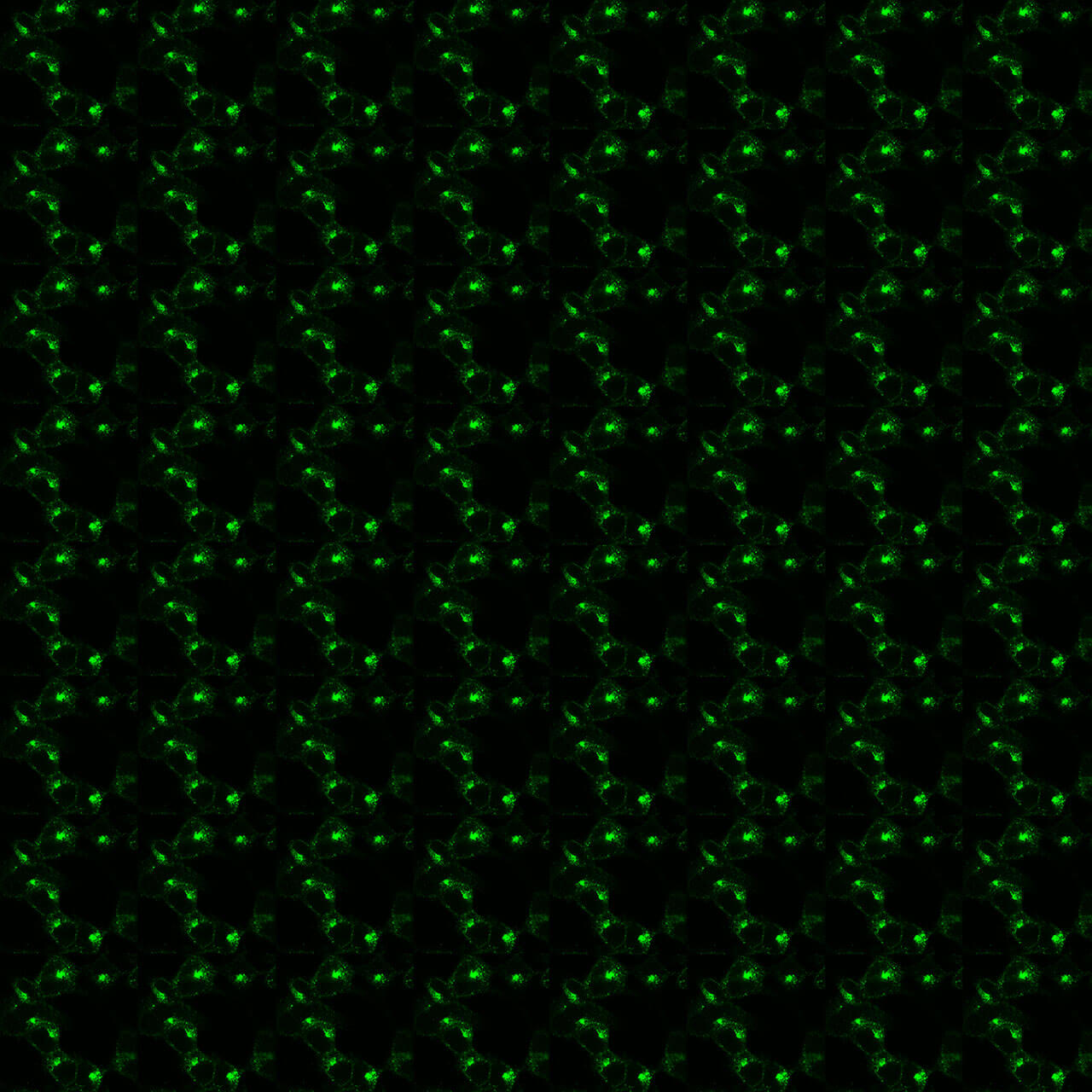
 HCA1 (non-phospho) Hydroxycarboxylic Acid...
 HCA1 (IHC-grade), Hydroxycarboxylic Acid...