Premium Phosphosite-Specific 7TM Antibodies
Your Resource for GPCR Research
Select Your Country of Delivery below

Immuno-Grade CC Chemokine Receptor 6 Antibodies

Close filters
No results were found for the filter!
NEW
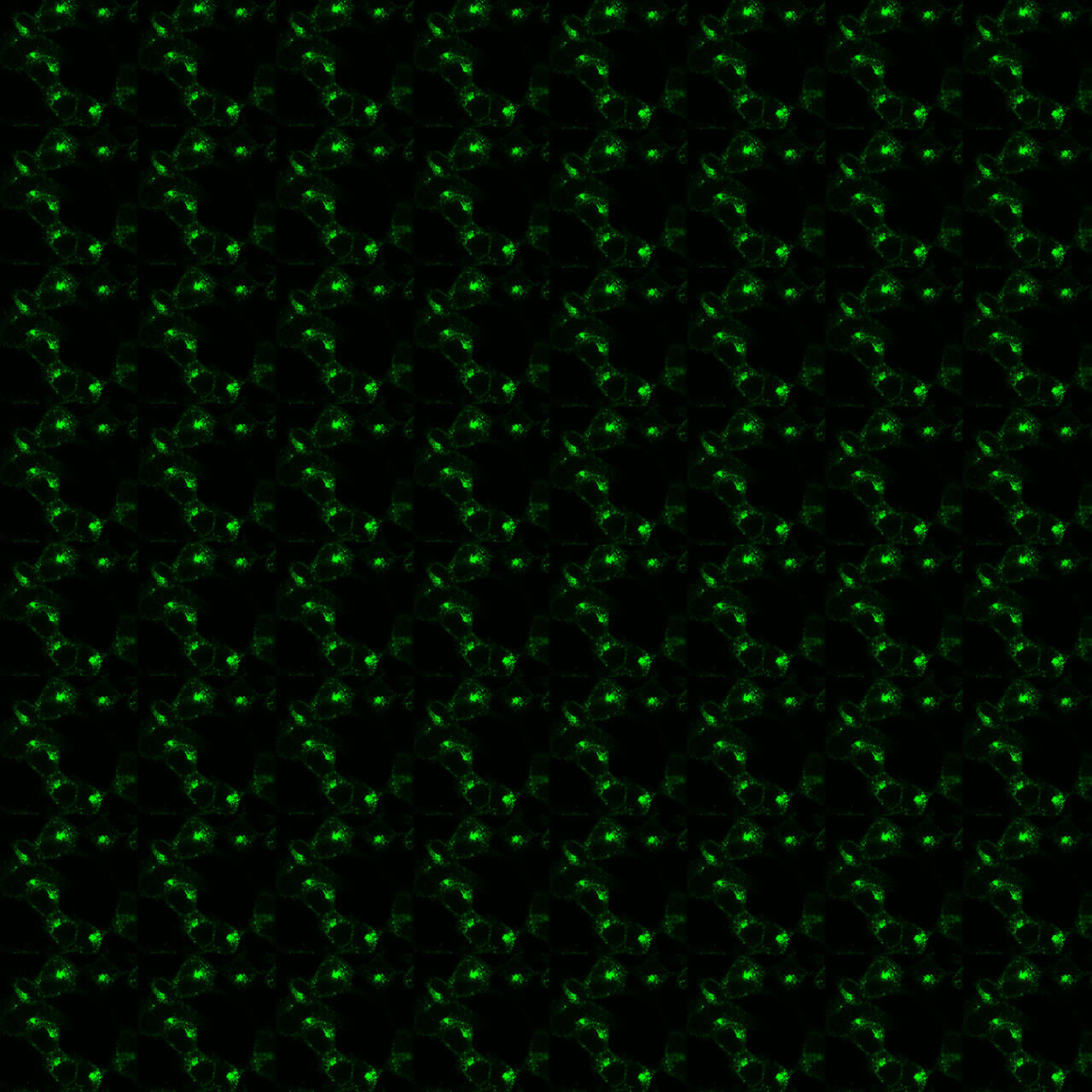
Immunohistochemical identification of CC Chemokine Receptor 6 in pancreas
CCR6 (IHC-grade) Chemokine Receptor 6 Antibody
The non-phospho-CCR6 receptor antibody is directed against the distal end of the carboxyl-terminal tail of human CCR6. It can be used to detect total CCR6 receptors in Western blots independent of phosphorylation. The CCR6 antibody can...
$ 375.00 *

The CC chemokine receptor 6 (CCR6) is a receptor for CCL20. CCR6 is expressed on a variety of immune cells including memory and regulatory T-cells, naive and activated B cells, dendritic cells and Th17 T-cells. CCR6 is the main chemokine receptor of Th17 cells, which are implicated in many chronic inflammatory conditions. In addition, CCR6 and its only known ligand CCL20, are up-regulated in tissues of patients with chronic inflammatory conditions such as psoriasis, arthritic conditions and inflammatory bowel disease. CCR6 desensitization, β-arrestin recruitment and internalization are regulated by phosphorylation of carboxyl-terminal serine357 (pS357-CCR6), threonine360/serine361 (pT360/pS361-CCR6) and threonine363 (pT363-CCR6) residues. This nomenclature refers to the human CCR6. This phosphorylation motif is highly conserved across species and is also present in mice and rats. For more information on CCR6 pharmacology please refer to the IUPHAR database. For further reading refer to:

Bachelerie F, Ben-Baruch A, Burkhardt AM, Combadiere C, Farber JM, Graham GJ, Horuk R, Sparre-Ulrich AH, Locati M, Luster AD, Mantovani A, Matsushima K, Murphy PM, Nibbs R, Nomiyama H, Power CA, Proudfoot AE, Rosenkilde MM, Rot A, Sozzani S, Thelen M, Yoshie O, Zlotnik A. International Union of Basic and Clinical Pharmacology. LXXXIX. Update on the extended family of chemokine receptors and introducing a new nomenclature for atypical chemokine receptors. Pharmacol Rev. 2013 Nov 11;66(1):1-79. doi: 10.1124/pr.113.007724. Print 2014. Review. Erratum in: Pharmacol Rev. 2014 Apr;66(2):467. PubMed PMID: 24218476; PubMed Central PMCID: PMC3880466.

The CC chemokine receptor 6 (CCR6) is a receptor for CCL20. CCR6 is expressed on a variety of immune cells including memory and regulatory T-cells, naive and activated B cells, dendritic cells and... read more »
Close window
Immuno-Grade CC Chemokine Receptor 6 Antibodies

The CC chemokine receptor 6 (CCR6) is a receptor for CCL20. CCR6 is expressed on a variety of immune cells including memory and regulatory T-cells, naive and activated B cells, dendritic cells and Th17 T-cells. CCR6 is the main chemokine receptor of Th17 cells, which are implicated in many chronic inflammatory conditions. In addition, CCR6 and its only known ligand CCL20, are up-regulated in tissues of patients with chronic inflammatory conditions such as psoriasis, arthritic conditions and inflammatory bowel disease. CCR6 desensitization, β-arrestin recruitment and internalization are regulated by phosphorylation of carboxyl-terminal serine357 (pS357-CCR6), threonine360/serine361 (pT360/pS361-CCR6) and threonine363 (pT363-CCR6) residues. This nomenclature refers to the human CCR6. This phosphorylation motif is highly conserved across species and is also present in mice and rats. For more information on CCR6 pharmacology please refer to the IUPHAR database. For further reading refer to:

Bachelerie F, Ben-Baruch A, Burkhardt AM, Combadiere C, Farber JM, Graham GJ, Horuk R, Sparre-Ulrich AH, Locati M, Luster AD, Mantovani A, Matsushima K, Murphy PM, Nibbs R, Nomiyama H, Power CA, Proudfoot AE, Rosenkilde MM, Rot A, Sozzani S, Thelen M, Yoshie O, Zlotnik A. International Union of Basic and Clinical Pharmacology. LXXXIX. Update on the extended family of chemokine receptors and introducing a new nomenclature for atypical chemokine receptors. Pharmacol Rev. 2013 Nov 11;66(1):1-79. doi: 10.1124/pr.113.007724. Print 2014. Review. Erratum in: Pharmacol Rev. 2014 Apr;66(2):467. PubMed PMID: 24218476; PubMed Central PMCID: PMC3880466.

Recently viewed