Premium Phosphosite-Specific 7TM Antibodies
Your Resource for GPCR Research
Select Your Country of Delivery below

CC Chemokine Receptor 7 Antibodies

Close filters
No results were found for the filter!
NEW
 Immunohistochemical identification of CC Chemokine Receptor 7 in human spleen
CCR7 (IHC-grade), CC Chemokine Receptor 7 Antibody
The CCR7 receptor antibody is directed against the distal end of the carboxyl-terminal tail human CCR7. It can be used to detect total CCR7 receptors in Western blots independent of phosphorylation. It can also be used to isolate and...
$ 375.00 *
NEW
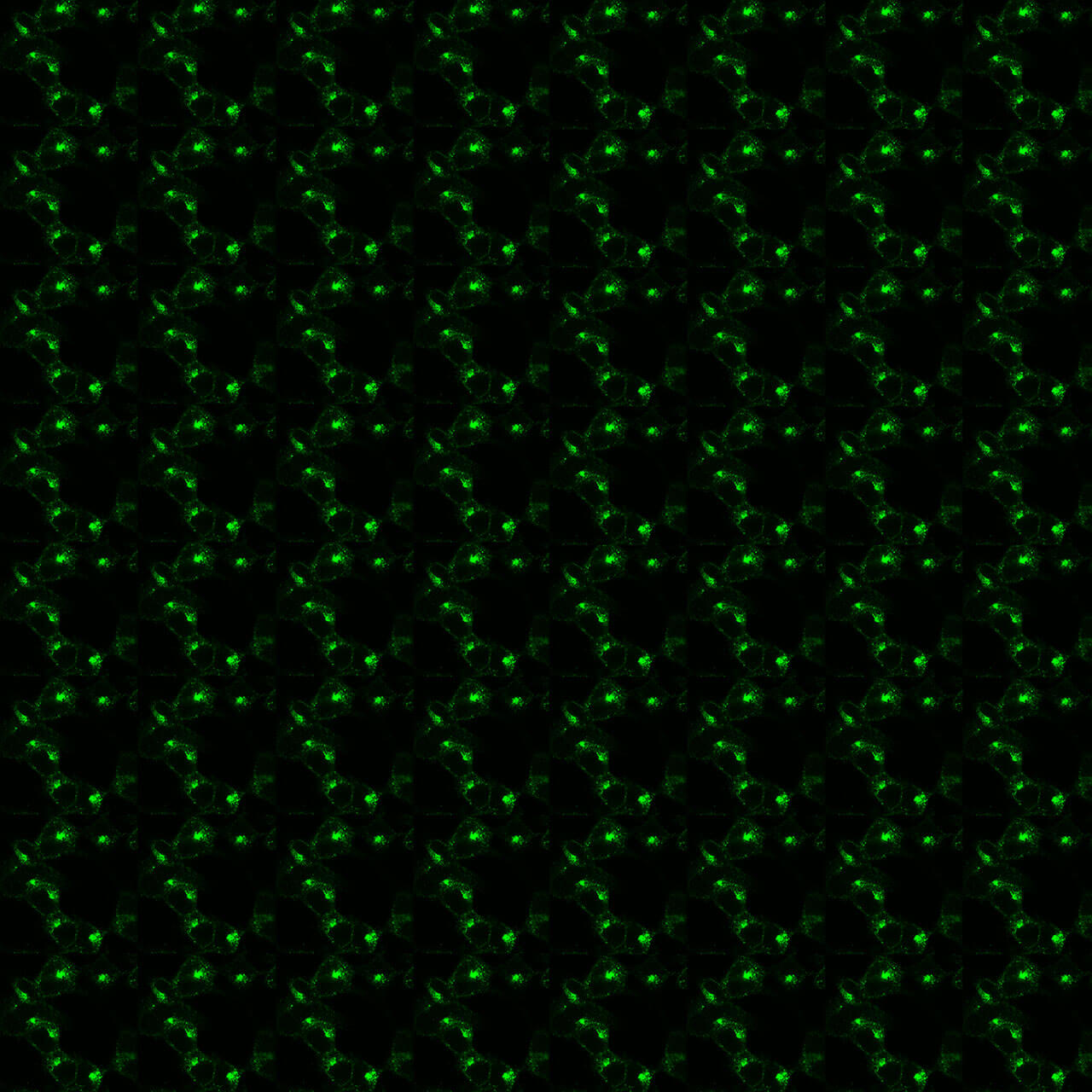
Validation of the CC Chemokine Receptor 7 in transfected HEK293 cells
CCR7 (non-phospho), CC Chemokine Receptor 7...
The CCR7 receptor antibody is directed against the distal end of the carboxyl-terminal tail human CCR7. It can be used to detect total CCR7 receptors in Western blots independent of phosphorylation. It can also be used to isolate and...
$ 375.00 *

C-C chemokine receptor 7 (CCR7), encoded by CCR7, is a class A G protein-coupled receptor activated by the endogenous chemokines CCL19 and CCL21. It couples predominantly to Gi/o and directs cell migration along chemokine gradients. CCR7 is expressed on naïve T cells, central memory T cells, and mature dendritic cells. It guides T-cell homing to lymph nodes and the migration of antigen-bearing dendritic cells from peripheral tissues to draining lymph nodes, where they can initiate adaptive immune responses. Although both ligands activate Gi/o signaling, CCL19 generally induces stronger receptor phosphorylation, β-arrestin recruitment, and internalization than CCL21 in experimental systems. CCR7 expression on some tumor cells has been associated with lymph node dissemination, and CCR7 signaling can help leukemic cells access supportive lymphoid niches. The anti-CCR7 monoclonal antibody CAP-100 has entered phase 1 testing in relapsed or refractory chronic lymphocytic leukemia and small lymphocytic lymphoma. No CCR7-targeted drug is currently approved for therapeutic use. For more information on CCR5 pharmacology please refer to the IUPHAR database. For further reading refer to:

Isaikina P, Petrovic I, Jakob RP, Sarma P, Ranjan A, Baruah M, Panwalkar V, Maier T, Shukla AK, Grzesiek S. A key GPCR phosphorylation motif discovered in arrestin2⋅CCR5 phosphopeptide complexes. Mol Cell. 2023 Jun 15;83(12):2108-2121.e7. doi: 10.1016/j.molcel.2023.05.002. Epub 2023 May 26. PMID: 37244255.

Bachelerie F, Ben-Baruch A, Burkhardt AM, Combadiere C, Farber JM, Graham GJ, Horuk R, Sparre-Ulrich AH, Locati M, Luster AD, Mantovani A, Matsushima K, Murphy PM, Nibbs R, Nomiyama H, Power CA, Proudfoot AE, Rosenkilde MM, Rot A, Sozzani S, Thelen M, Yoshie O, Zlotnik A. International Union of Basic and Clinical Pharmacology. LXXXIX. Update on the extended family of chemokine receptors and introducing a new nomenclature for atypical chemokine receptors. Pharmacol Rev. 2013 Nov 11;66(1):1-79. doi: 10.1124/pr.113.007724. Print 2014. Review. Erratum in: Pharmacol Rev. 2014 Apr;66(2):467. PubMed PMID: 24218476; PubMed Central PMCID: PMC3880466.

C-C chemokine receptor 7 (CCR7), encoded by CCR7 , is a class A G protein-coupled receptor activated by the endogenous chemokines CCL19 and CCL21. It couples predominantly to Gi/o and directs... read more »
Close window
CC Chemokine Receptor 7 Antibodies

C-C chemokine receptor 7 (CCR7), encoded by CCR7, is a class A G protein-coupled receptor activated by the endogenous chemokines CCL19 and CCL21. It couples predominantly to Gi/o and directs cell migration along chemokine gradients. CCR7 is expressed on naïve T cells, central memory T cells, and mature dendritic cells. It guides T-cell homing to lymph nodes and the migration of antigen-bearing dendritic cells from peripheral tissues to draining lymph nodes, where they can initiate adaptive immune responses. Although both ligands activate Gi/o signaling, CCL19 generally induces stronger receptor phosphorylation, β-arrestin recruitment, and internalization than CCL21 in experimental systems. CCR7 expression on some tumor cells has been associated with lymph node dissemination, and CCR7 signaling can help leukemic cells access supportive lymphoid niches. The anti-CCR7 monoclonal antibody CAP-100 has entered phase 1 testing in relapsed or refractory chronic lymphocytic leukemia and small lymphocytic lymphoma. No CCR7-targeted drug is currently approved for therapeutic use. For more information on CCR5 pharmacology please refer to the IUPHAR database. For further reading refer to:

Isaikina P, Petrovic I, Jakob RP, Sarma P, Ranjan A, Baruah M, Panwalkar V, Maier T, Shukla AK, Grzesiek S. A key GPCR phosphorylation motif discovered in arrestin2⋅CCR5 phosphopeptide complexes. Mol Cell. 2023 Jun 15;83(12):2108-2121.e7. doi: 10.1016/j.molcel.2023.05.002. Epub 2023 May 26. PMID: 37244255.

Bachelerie F, Ben-Baruch A, Burkhardt AM, Combadiere C, Farber JM, Graham GJ, Horuk R, Sparre-Ulrich AH, Locati M, Luster AD, Mantovani A, Matsushima K, Murphy PM, Nibbs R, Nomiyama H, Power CA, Proudfoot AE, Rosenkilde MM, Rot A, Sozzani S, Thelen M, Yoshie O, Zlotnik A. International Union of Basic and Clinical Pharmacology. LXXXIX. Update on the extended family of chemokine receptors and introducing a new nomenclature for atypical chemokine receptors. Pharmacol Rev. 2013 Nov 11;66(1):1-79. doi: 10.1124/pr.113.007724. Print 2014. Review. Erratum in: Pharmacol Rev. 2014 Apr;66(2):467. PubMed PMID: 24218476; PubMed Central PMCID: PMC3880466.

Recently viewed