Premium Phosphosite-Specific 7TM Antibodies
Your Resource for GPCR Research
Select Your Country of Delivery below

P2RY8 Receptor Antibodies

Close filters
No results were found for the filter!
NEW
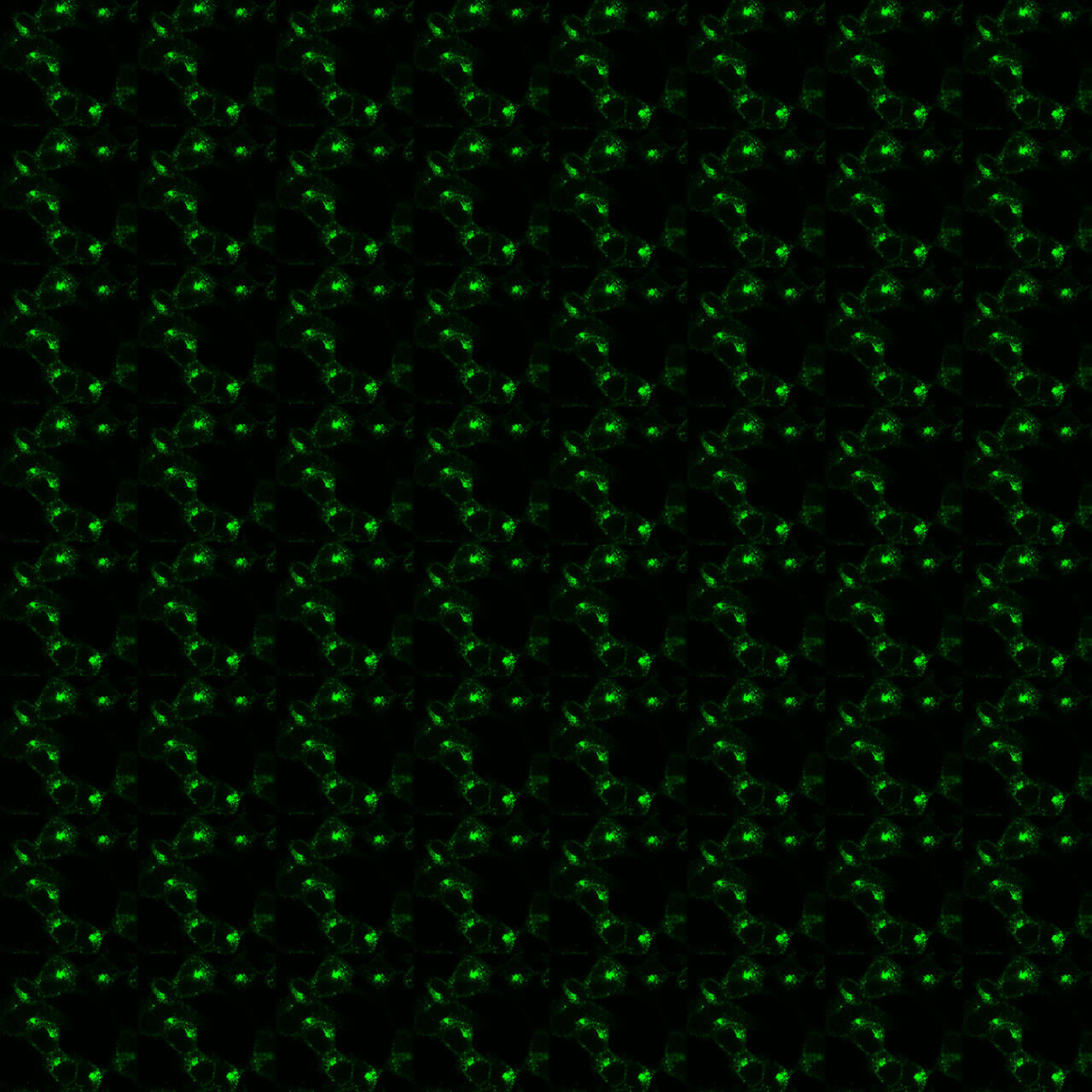
Validation of the P2RY Purinoceptor 8 in transfected HEK293 cells
P2RY8 (non-phospho), P2RY Purinoceptor 8 Antibody
The non-phospho-P2RY8 Receptor Antibody is directed against the distal end of the carboxyl-terminal tail of human P2RY8. It can be used to detect total P2RY8 receptors in Western blots independent of phosphorylation. The...
$ 375.00 *

The P2Y purinoceptor 8 (P2RY8) is a G protein–coupled receptor predominantly coupled to Gi proteins and is considered an atypical or orphan member of the P2Y receptor family. Although initially classified as a purinergic receptor, more recent evidence suggests that its physiological ligand is S-geranylgeranyl-L-glutathione (GGG), linking it to metabolic rather than classical nucleotide signaling. Upon activation, P2RY8 inhibits adenylyl cyclase, reduces intracellular cAMP levels, and modulates downstream pathways involved in cytoskeletal dynamics and cell positioning. The receptor is highly expressed in germinal center B cells within secondary lymphoid organs, where it plays a critical role in confining B cells to the germinal center niche and maintaining proper immune architecture. Its expression is tightly regulated during B-cell differentiation and is functionally linked to germinal center organization and antibody maturation. Genomic alterations involving P2RY8, including P2RY8–CRLF2 rearrangements and loss-of-function mutations, have been described in certain B-cell acute lymphoblastic leukemias and lymphomas. Currently, there are no approved drugs that selectively target P2RY8, and pharmacological tools remain limited. However, ongoing research into the GGG–P2RY8 axis is generating interest as a potential therapeutic target in B-cell malignancies and immune dysregulation. For more information on P2RY8 pharmacology please refer to the IUPHAR database. For further reading refer to:

Abbracchio MP, Burnstock G, Boeynaems JM, Barnard EA, Boyer JL, Kennedy C, Knight GE, Fumagalli M, Gachet C, Jacobson KA, Weisman GA. International Union of Pharmacology LVIII: update on the P2Y G protein-coupled nucleotide receptors: from molecular mechanisms and pathophysiology to therapy. Pharmacol Rev. 2006 Sep;58(3):281-341. doi: 10.1124/pr.58.3.3. PMID: 16968944; PMCID: PMC3471216.

Jacobson KA, Delicado EG, Gachet C, Kennedy C, von Kügelgen I, Li B, Miras-Portugal MT, Novak I, Schöneberg T, Perez-Sen R, Thor D, Wu B, Yang Z, Müller CE. Update of P2Y receptor pharmacology: IUPHAR Review 27. Br J Pharmacol. 2020 Jun;177(11):2413-2433. doi: 10.1111/bph.15005. Epub 2020 Apr 6. PMID: 32037507; PMCID: PMC7205808.

Jacobson KA, Paoletta S, Katritch V, Wu B, Gao ZG, Zhao Q, Stevens RC, Kiselev E. Nucleotides Acting at P2Y Receptors: Connecting Structure and Function. Mol Pharmacol. 2015 Aug;88(2):220-30. doi: 10.1124/mol.114.095711. Epub 2015 Apr 2. PMID: 25837834; PMCID: PMC4518082.

The P2Y purinoceptor 8 (P2RY8) is a G protein–coupled receptor predominantly coupled to Gi proteins and is considered an atypical or orphan member of the P2Y receptor family. Although initially... read more »
Close window
P2RY8 Receptor Antibodies

The P2Y purinoceptor 8 (P2RY8) is a G protein–coupled receptor predominantly coupled to Gi proteins and is considered an atypical or orphan member of the P2Y receptor family. Although initially classified as a purinergic receptor, more recent evidence suggests that its physiological ligand is S-geranylgeranyl-L-glutathione (GGG), linking it to metabolic rather than classical nucleotide signaling. Upon activation, P2RY8 inhibits adenylyl cyclase, reduces intracellular cAMP levels, and modulates downstream pathways involved in cytoskeletal dynamics and cell positioning. The receptor is highly expressed in germinal center B cells within secondary lymphoid organs, where it plays a critical role in confining B cells to the germinal center niche and maintaining proper immune architecture. Its expression is tightly regulated during B-cell differentiation and is functionally linked to germinal center organization and antibody maturation. Genomic alterations involving P2RY8, including P2RY8–CRLF2 rearrangements and loss-of-function mutations, have been described in certain B-cell acute lymphoblastic leukemias and lymphomas. Currently, there are no approved drugs that selectively target P2RY8, and pharmacological tools remain limited. However, ongoing research into the GGG–P2RY8 axis is generating interest as a potential therapeutic target in B-cell malignancies and immune dysregulation. For more information on P2RY8 pharmacology please refer to the IUPHAR database. For further reading refer to:

Abbracchio MP, Burnstock G, Boeynaems JM, Barnard EA, Boyer JL, Kennedy C, Knight GE, Fumagalli M, Gachet C, Jacobson KA, Weisman GA. International Union of Pharmacology LVIII: update on the P2Y G protein-coupled nucleotide receptors: from molecular mechanisms and pathophysiology to therapy. Pharmacol Rev. 2006 Sep;58(3):281-341. doi: 10.1124/pr.58.3.3. PMID: 16968944; PMCID: PMC3471216.

Jacobson KA, Delicado EG, Gachet C, Kennedy C, von Kügelgen I, Li B, Miras-Portugal MT, Novak I, Schöneberg T, Perez-Sen R, Thor D, Wu B, Yang Z, Müller CE. Update of P2Y receptor pharmacology: IUPHAR Review 27. Br J Pharmacol. 2020 Jun;177(11):2413-2433. doi: 10.1111/bph.15005. Epub 2020 Apr 6. PMID: 32037507; PMCID: PMC7205808.

Jacobson KA, Paoletta S, Katritch V, Wu B, Gao ZG, Zhao Q, Stevens RC, Kiselev E. Nucleotides Acting at P2Y Receptors: Connecting Structure and Function. Mol Pharmacol. 2015 Aug;88(2):220-30. doi: 10.1124/mol.114.095711. Epub 2015 Apr 2. PMID: 25837834; PMCID: PMC4518082.

Recently viewed