Premium Phosphosite-Specific 7TM Antibodies
Your Resource for GPCR Research
Select Your Country of Delivery below

Mas-related G-protein coupled receptor member X3 (MRGPRX3) Antibodies

Close filters
No results were found for the filter!
NEW
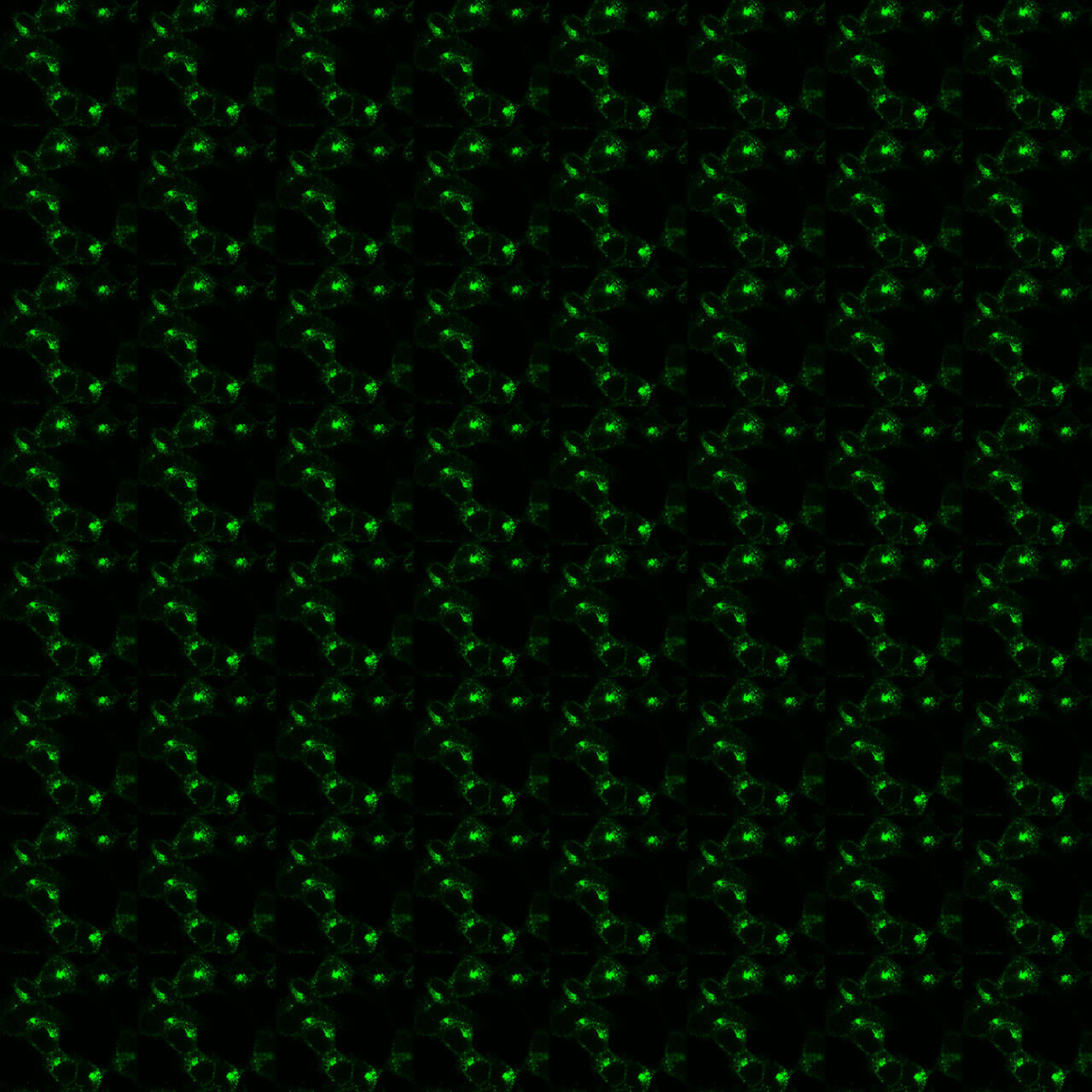
Validation of the MRGPRX3 Receptor in transfected HEK293 cells
MRGPRX3 (non-phospho), MRGPRX3 Mas-related...
The non-phospho-MRGPRX3 receptor antibody is directed against the distal end of the carboxyl-terminal tail of human MRGPRX3. It can be used to detect total MRGPRX3 receptors in Western blots independent of phosphorylation. The MRGPRX3...
$ 375.00 *
NEW
Immunohistochemical identification of MRGPRX3 Receptor in duodenum
MRGPRX3 (IHC-grade), MRGPRX3 Mas-related...
The non-phospho-MRGPRX3 receptor antibody is directed against the distal end of the carboxyl-terminal tail of human MRGPRX3. It can be used to detect total MRGPRX3 receptors in Western blots independent of phosphorylation. The MRGPRX3...
$ 375.00 *

The Mas-related G protein–coupled receptor X3 (MRGPRX3) is a member of the MRGPRX subfamily of GPCRs that is primarily expressed in small-diameter sensory neurons of the dorsal root and trigeminal ganglia. Pharmacologically, MRGPRX3 is activated by certain neuropeptides and synthetic ligands, although its endogenous ligand profile is less well characterized compared to other MRGPRX receptors. Upon activation, it predominantly couples to Gq/11 proteins, leading to phospholipase C activation, intracellular calcium mobilization, and downstream signaling events that promote neuronal excitation. This signaling cascade contributes to sensory phenomena such as nociception and pruritus (itch), linking MRGPRX3 to neurogenic inflammation and peripheral sensory modulation. Expression of MRGPRX3 is largely restricted to peripheral sensory neurons, suggesting a specialized role in somatosensory processing rather than broad systemic functions. Currently, there are no approved drugs that selectively target MRGPRX3, but the broader MRGPR family has attracted interest as a therapeutic target for chronic itch and pain disorders. Ongoing preclinical research is focused on identifying selective antagonists or modulators that could dampen pathological sensory signaling without affecting central nervous system function. For more information on MRGPRX3 pharmacology please refer to the IUPHAR database. For further reading refer to:

Alexander SP, Battey J, Benson HE, Benya RV, Bonner TI, Davenport AP, Dhanachandra Singh K, Eguchi S, Harmar A, Holliday N, Jensen RT, Karnik S, Kostenis E, Liew WC, Monaghan AE, Mpamhanga C, Neubig R, Pawson AJ, Pin JP, Sharman JL, Spedding M, Spindel E, Stoddart L, Storjohann L, Thomas WG, Tirupula K, Vanderheyden P. Class A Orphans in GtoPdb v.2023.1. IUPHAR/BPS Guide to Pharmacology CITE. 2023; 2023(1). Available from: https://doi.org/10.2218/gtopdb/F16/2023.1.

The Mas-related G protein–coupled receptor X3 ( MRGPRX3 ) is a member of the MRGPRX subfamily of GPCRs that is primarily expressed in small-diameter sensory neurons of the dorsal root and... read more »
Close window
Mas-related G-protein coupled receptor member X3 (MRGPRX3) Antibodies

The Mas-related G protein–coupled receptor X3 (MRGPRX3) is a member of the MRGPRX subfamily of GPCRs that is primarily expressed in small-diameter sensory neurons of the dorsal root and trigeminal ganglia. Pharmacologically, MRGPRX3 is activated by certain neuropeptides and synthetic ligands, although its endogenous ligand profile is less well characterized compared to other MRGPRX receptors. Upon activation, it predominantly couples to Gq/11 proteins, leading to phospholipase C activation, intracellular calcium mobilization, and downstream signaling events that promote neuronal excitation. This signaling cascade contributes to sensory phenomena such as nociception and pruritus (itch), linking MRGPRX3 to neurogenic inflammation and peripheral sensory modulation. Expression of MRGPRX3 is largely restricted to peripheral sensory neurons, suggesting a specialized role in somatosensory processing rather than broad systemic functions. Currently, there are no approved drugs that selectively target MRGPRX3, but the broader MRGPR family has attracted interest as a therapeutic target for chronic itch and pain disorders. Ongoing preclinical research is focused on identifying selective antagonists or modulators that could dampen pathological sensory signaling without affecting central nervous system function. For more information on MRGPRX3 pharmacology please refer to the IUPHAR database. For further reading refer to:

Alexander SP, Battey J, Benson HE, Benya RV, Bonner TI, Davenport AP, Dhanachandra Singh K, Eguchi S, Harmar A, Holliday N, Jensen RT, Karnik S, Kostenis E, Liew WC, Monaghan AE, Mpamhanga C, Neubig R, Pawson AJ, Pin JP, Sharman JL, Spedding M, Spindel E, Stoddart L, Storjohann L, Thomas WG, Tirupula K, Vanderheyden P. Class A Orphans in GtoPdb v.2023.1. IUPHAR/BPS Guide to Pharmacology CITE. 2023; 2023(1). Available from: https://doi.org/10.2218/gtopdb/F16/2023.1.

Recently viewed