Premium Phosphosite-Specific 7TM Antibodies
Your Resource for GPCR Research
Select Your Country of Delivery below

GPR135 Receptor Antibodies

Close filters
No results were found for the filter!
NEW
GPR135 (non-phospho), G protein-coupled Receptor 135 Antibody
GPR135 (non-phospho), G protein-coupled...
The non-phospho-GPR135 receptor antibody is directed against the distal end of the carboxyl-terminal tail of human GPR135. It can be used to detect total GPR135 receptors in Western blots independent of phosphorylation. The GPR135...
$ 375.00 *

GPR135 is an orphan class A G protein-coupled receptor that was originally identified as a CNS-enriched receptor and is now considered one of the poorly characterized orphan GPCRs. The receptor is expressed predominantly in the central nervous system, with reported expression in the hypothalamus, cortex, septal region and preoptic area, although broader low-level expression has also been detected in peripheral tissues. An early pharmacological study identified the neuropeptide relaxin-3 (INSL7) as a high-affinity ligand for GPR135 and demonstrated Gi/o-associated signaling, including inhibition of cAMP accumulation. However, this receptor–ligand assignment has not been sufficiently reproduced and GPR135 is still classified as an orphan receptor in current pharmacological nomenclature. GPR135 shows spontaneous β-arrestin recruitment and agonist-independent internalization, suggesting that constitutive receptor trafficking may represent an important aspect of its biology. The receptor can interact with the melatonin MT2 receptor (MTNR1B), indicating that receptor heteromerization may influence its signaling and trafficking. Its physiological function remains largely unknown, but its CNS expression suggests potential involvement in neuronal signaling and brain physiology. Altered GPR135 expression has also been reported in several cancers, although its significance for tumor biology remains unclear. No validated selective small-molecule agonists or antagonists are currently available, and there are no approved or clinical-stage drugs targeting GPR135. Thus, GPR135 remains a particularly poorly characterized orphan GPCR, with substantial potential for pharmacological investigation but currently limited evidence linking it to a defined therapeutic indication. For more information on GPR135 pharmacology please refer to the IUPHAR database. For further reading refer to:

Davenport AP, Alexander SP, Sharman JL, Pawson AJ, Benson HE, Monaghan AE, Liew WC, Mpamhanga CP, Bonner TI, Neubig RR, Pin JP, Spedding M, Harmar AJ. International Union of Basic and Clinical Pharmacology. LXXXVIII. G protein-coupled receptor list: recommendations for new pairings with cognate ligands. Pharmacol Rev. 2013 May 17;65(3):967-86. doi: 10.1124/pr.112.007179. PMID: 23686350; PMCID: PMC3698937.

Alexander SP, Battey J, Benson HE, Benya RV, Bonner TI, Davenport AP, Dhanachandra Singh K, Eguchi S, Harmar A, Holliday N, Jensen RT, Karnik S, Kostenis E, Liew WC, Monaghan AE, Mpamhanga C, Neubig R, Pawson AJ, Pin JP, Sharman JL, Spedding M, Spindel E, Stoddart L, Storjohann L, Thomas WG, Tirupula K, Vanderheyden P. Class A Orphans in GtoPdb v.2023.1. IUPHAR/BPS Guide to Pharmacology CITE. 2023; 2023(1). Available from: https://doi.org/10.2218/gtopdb/F16/2023.1.

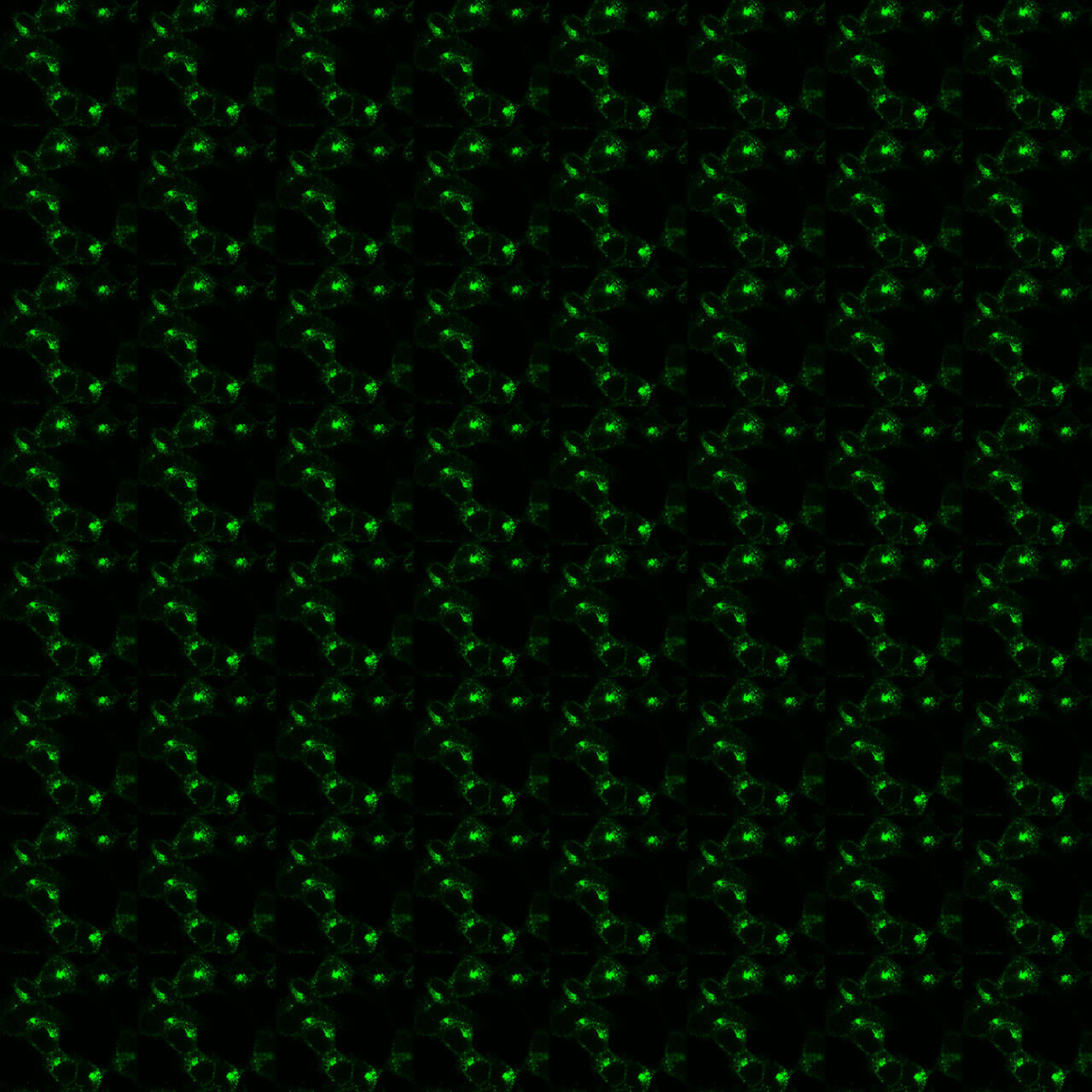
GPR135 is an orphan class A G protein-coupled receptor that was originally identified as a CNS-enriched receptor and is now considered one of the poorly characterized orphan GPCRs. The receptor is... read more »
Close window
GPR135 Receptor Antibodies

GPR135 is an orphan class A G protein-coupled receptor that was originally identified as a CNS-enriched receptor and is now considered one of the poorly characterized orphan GPCRs. The receptor is expressed predominantly in the central nervous system, with reported expression in the hypothalamus, cortex, septal region and preoptic area, although broader low-level expression has also been detected in peripheral tissues. An early pharmacological study identified the neuropeptide relaxin-3 (INSL7) as a high-affinity ligand for GPR135 and demonstrated Gi/o-associated signaling, including inhibition of cAMP accumulation. However, this receptor–ligand assignment has not been sufficiently reproduced and GPR135 is still classified as an orphan receptor in current pharmacological nomenclature. GPR135 shows spontaneous β-arrestin recruitment and agonist-independent internalization, suggesting that constitutive receptor trafficking may represent an important aspect of its biology. The receptor can interact with the melatonin MT2 receptor (MTNR1B), indicating that receptor heteromerization may influence its signaling and trafficking. Its physiological function remains largely unknown, but its CNS expression suggests potential involvement in neuronal signaling and brain physiology. Altered GPR135 expression has also been reported in several cancers, although its significance for tumor biology remains unclear. No validated selective small-molecule agonists or antagonists are currently available, and there are no approved or clinical-stage drugs targeting GPR135. Thus, GPR135 remains a particularly poorly characterized orphan GPCR, with substantial potential for pharmacological investigation but currently limited evidence linking it to a defined therapeutic indication. For more information on GPR135 pharmacology please refer to the IUPHAR database. For further reading refer to:

Davenport AP, Alexander SP, Sharman JL, Pawson AJ, Benson HE, Monaghan AE, Liew WC, Mpamhanga CP, Bonner TI, Neubig RR, Pin JP, Spedding M, Harmar AJ. International Union of Basic and Clinical Pharmacology. LXXXVIII. G protein-coupled receptor list: recommendations for new pairings with cognate ligands. Pharmacol Rev. 2013 May 17;65(3):967-86. doi: 10.1124/pr.112.007179. PMID: 23686350; PMCID: PMC3698937.

Alexander SP, Battey J, Benson HE, Benya RV, Bonner TI, Davenport AP, Dhanachandra Singh K, Eguchi S, Harmar A, Holliday N, Jensen RT, Karnik S, Kostenis E, Liew WC, Monaghan AE, Mpamhanga C, Neubig R, Pawson AJ, Pin JP, Sharman JL, Spedding M, Spindel E, Stoddart L, Storjohann L, Thomas WG, Tirupula K, Vanderheyden P. Class A Orphans in GtoPdb v.2023.1. IUPHAR/BPS Guide to Pharmacology CITE. 2023; 2023(1). Available from: https://doi.org/10.2218/gtopdb/F16/2023.1.

Recently viewed