Premium Phosphosite-Specific 7TM Antibodies
Your Resource for GPCR Research
Select Your Country of Delivery below

GPR37 Receptor Antibodies

Close filters
No results were found for the filter!
NEW
GPR37 (non-phospho), G protein-coupled Receptor 37 Antibody
GPR37 (non-phospho), G protein-coupled Receptor...
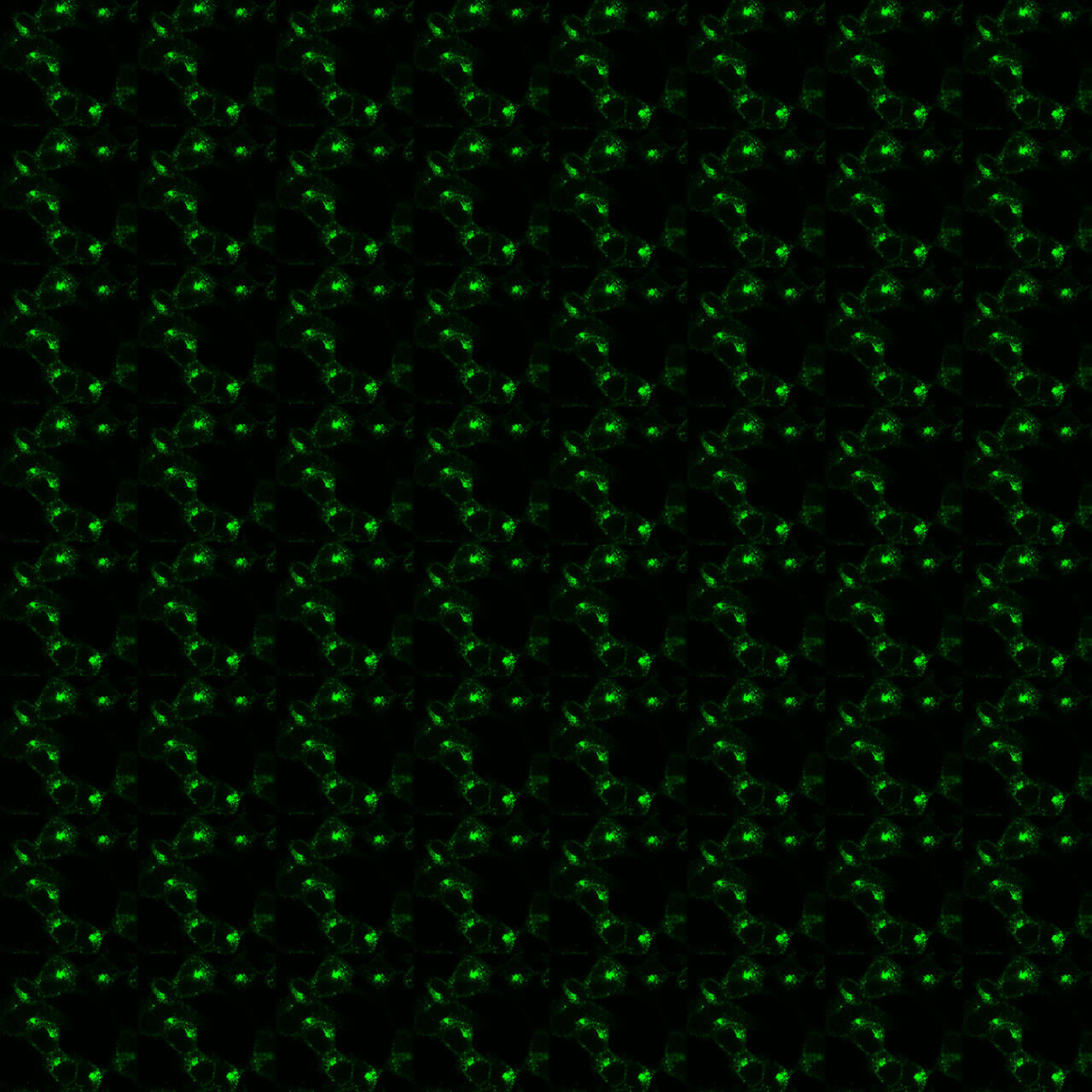
The non-phospho-GPR37 receptor antibody is directed against the distal end of the carboxyl-terminal tail of human GPR37. It can be used to detect total GPR37 receptors in Western blots independent of phosphorylation. The GPR37 antibody...
$ 375.00 *

GPR37 is an orphan class A G protein-coupled receptor that is predominantly expressed in the central nervous system, particularly in oligodendrocytes, astrocytes and selected neuronal populations, with high expression in the spinal cord and basal ganglia. The receptor has been reported to preferentially couple to Gi/o proteins, potentially resulting in inhibition of adenylyl cyclase and modulation of ERK/MAPK, calcium signaling and β-arrestin-dependent receptor trafficking. GPR37 remains pharmacologically incompletely characterized, and no universally accepted endogenous ligand has yet been established. Several endogenous molecules have been proposed as potential ligands, including prosaposin or its prosaptide-derived fragment TX14A, neuroprotectin D1, osteocalcin and the neuropeptide head activator, although the evidence for direct receptor activation remains controversial. Functionally, GPR37 has been implicated in neuronal survival and differentiation, myelination, neuroinflammatory processes and cellular responses to stress. The receptor has attracted particular interest in Parkinson’s disease, where altered GPR37 expression and interactions with prosaposin have been associated with dopaminergic neuronal survival, neurodegeneration and neuroinflammation. GPR37 has also been implicated in pain, demyelinating disorders, autism-spectrum disorders and other neurological diseases, suggesting that modulation of the receptor could have therapeutic potential. However, its effects appear to be highly dependent on cell type and disease context, and both neuroprotective and pro-inflammatory functions have been described. To date, no approved drug or established clinical-stage selective small-molecule agonist or antagonist of GPR37 is available, making the receptor an emerging but still poorly validated pharmacological target. For more information on GPR37 pharmacology please refer to the IUPHAR database. For further reading refer to:

Davenport AP, Alexander SP, Sharman JL, Pawson AJ, Benson HE, Monaghan AE, Liew WC, Mpamhanga CP, Bonner TI, Neubig RR, Pin JP, Spedding M, Harmar AJ. International Union of Basic and Clinical Pharmacology. LXXXVIII. G protein-coupled receptor list: recommendations for new pairings with cognate ligands. Pharmacol Rev. 2013 May 17;65(3):967-86. doi: 10.1124/pr.112.007179. PMID: 23686350; PMCID: PMC3698937.

Alexander SP, Battey J, Benson HE, Benya RV, Bonner TI, Davenport AP, Dhanachandra Singh K, Eguchi S, Harmar A, Holliday N, Jensen RT, Karnik S, Kostenis E, Liew WC, Monaghan AE, Mpamhanga C, Neubig R, Pawson AJ, Pin JP, Sharman JL, Spedding M, Spindel E, Stoddart L, Storjohann L, Thomas WG, Tirupula K, Vanderheyden P. Class A Orphans in GtoPdb v.2023.1. IUPHAR/BPS Guide to Pharmacology CITE. 2023; 2023(1). Available from: https://doi.org/10.2218/gtopdb/F16/2023.1.

GPR37 is an orphan class A G protein-coupled receptor that is predominantly expressed in the central nervous system, particularly in oligodendrocytes, astrocytes and selected neuronal populations,... read more »
Close window
GPR37 Receptor Antibodies

GPR37 is an orphan class A G protein-coupled receptor that is predominantly expressed in the central nervous system, particularly in oligodendrocytes, astrocytes and selected neuronal populations, with high expression in the spinal cord and basal ganglia. The receptor has been reported to preferentially couple to Gi/o proteins, potentially resulting in inhibition of adenylyl cyclase and modulation of ERK/MAPK, calcium signaling and β-arrestin-dependent receptor trafficking. GPR37 remains pharmacologically incompletely characterized, and no universally accepted endogenous ligand has yet been established. Several endogenous molecules have been proposed as potential ligands, including prosaposin or its prosaptide-derived fragment TX14A, neuroprotectin D1, osteocalcin and the neuropeptide head activator, although the evidence for direct receptor activation remains controversial. Functionally, GPR37 has been implicated in neuronal survival and differentiation, myelination, neuroinflammatory processes and cellular responses to stress. The receptor has attracted particular interest in Parkinson’s disease, where altered GPR37 expression and interactions with prosaposin have been associated with dopaminergic neuronal survival, neurodegeneration and neuroinflammation. GPR37 has also been implicated in pain, demyelinating disorders, autism-spectrum disorders and other neurological diseases, suggesting that modulation of the receptor could have therapeutic potential. However, its effects appear to be highly dependent on cell type and disease context, and both neuroprotective and pro-inflammatory functions have been described. To date, no approved drug or established clinical-stage selective small-molecule agonist or antagonist of GPR37 is available, making the receptor an emerging but still poorly validated pharmacological target. For more information on GPR37 pharmacology please refer to the IUPHAR database. For further reading refer to:

Davenport AP, Alexander SP, Sharman JL, Pawson AJ, Benson HE, Monaghan AE, Liew WC, Mpamhanga CP, Bonner TI, Neubig RR, Pin JP, Spedding M, Harmar AJ. International Union of Basic and Clinical Pharmacology. LXXXVIII. G protein-coupled receptor list: recommendations for new pairings with cognate ligands. Pharmacol Rev. 2013 May 17;65(3):967-86. doi: 10.1124/pr.112.007179. PMID: 23686350; PMCID: PMC3698937.

Alexander SP, Battey J, Benson HE, Benya RV, Bonner TI, Davenport AP, Dhanachandra Singh K, Eguchi S, Harmar A, Holliday N, Jensen RT, Karnik S, Kostenis E, Liew WC, Monaghan AE, Mpamhanga C, Neubig R, Pawson AJ, Pin JP, Sharman JL, Spedding M, Spindel E, Stoddart L, Storjohann L, Thomas WG, Tirupula K, Vanderheyden P. Class A Orphans in GtoPdb v.2023.1. IUPHAR/BPS Guide to Pharmacology CITE. 2023; 2023(1). Available from: https://doi.org/10.2218/gtopdb/F16/2023.1.

Recently viewed