Bile Acid Receptor Antibodies
GPBA, also known as GPBAR1 or TGR5, is a bile acid-sensing class A GPCR that is activated by both conjugated and unconjugated bile acids, with lithocholic acid being among the most potent endogenous agonists. The receptor predominantly couples to Gs proteins, leading to activation of adenylyl cyclase, increased intracellular cAMP and subsequent activation of PKA and other downstream signaling pathways. GPBA is widely expressed, with particularly high expression in the gallbladder epithelium and substantial expression in the ileum, colon, liver, immune cells, skeletal muscle and brown adipose tissue. In the intestine, GPBA activation promotes secretion of GLP-1 and other gut hormones, thereby influencing glucose homeostasis and insulin secretion. In adipose tissue and skeletal muscle, GPBA signaling promotes energy expenditure, thermogenesis and lipid oxidation, making the receptor an attractive target for obesity and metabolic disease. GPBA also exerts important anti-inflammatory effects in macrophages and other immune cells and has been implicated in the regulation of intestinal inflammation and liver function. Several selective experimental agonists have been developed, most notably INT-777 (S-EMCA) and BAR501, which have shown beneficial effects on glucose metabolism, obesity, steatosis, inflammation and fibrosis in preclinical models. Oleanolic acid and betulinic acid are additional naturally occurring GPBA agonists, although their selectivity and pharmacological properties are less favorable. Despite substantial preclinical interest, no selective GPBA agonist has so far been approved as a drug or established as a clinical therapy, making GPBA an attractive but still incompletely validated target for metabolic, inflammatory and gastrointestinal diseases. For more information on GPBA pharmacology please refer to the IUPHAR database.

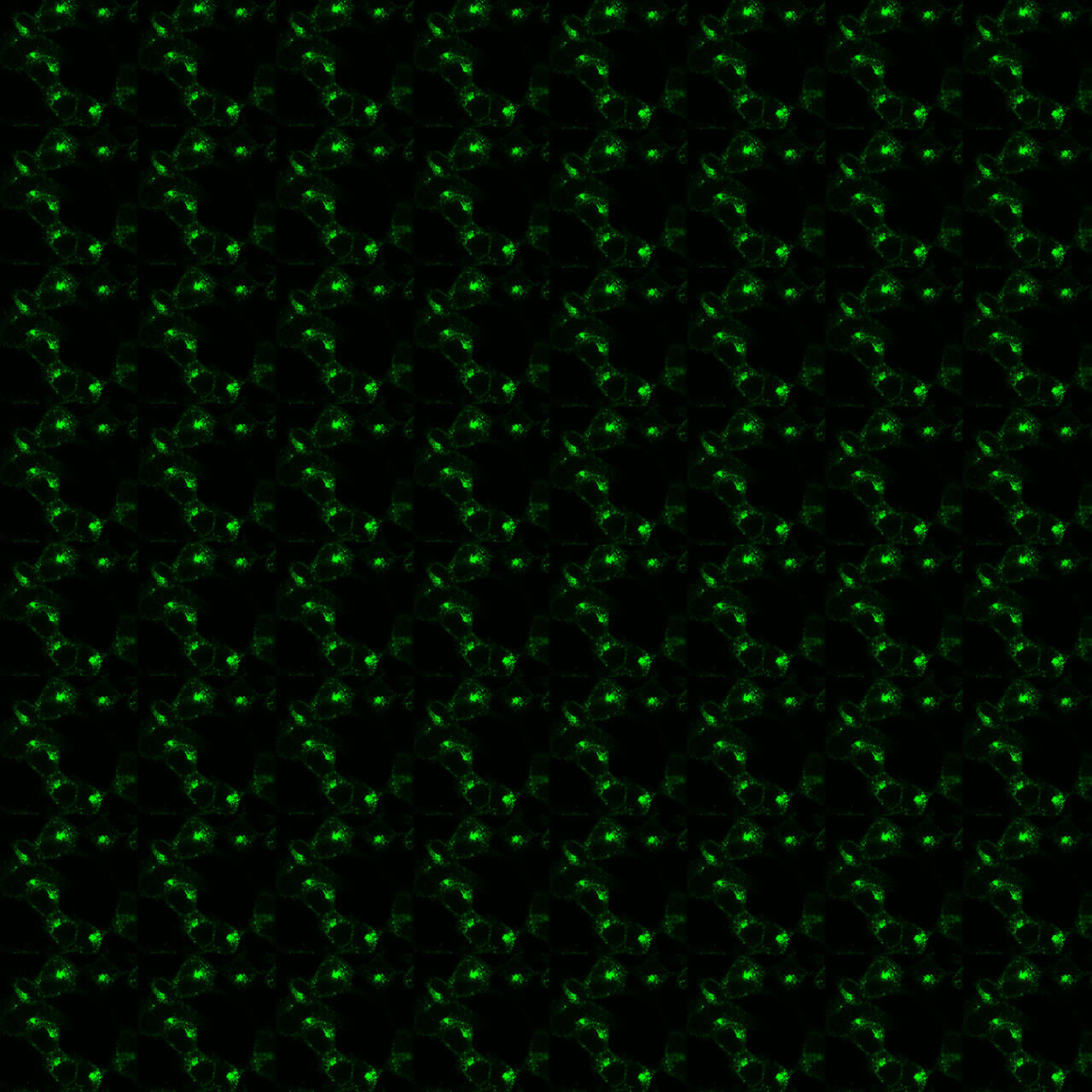
 GPBA (non-phospho), Bile Acid Receptor Antibody