The G protein-coupled complement receptor family comprises the C3a receptor (C3aR), C5a receptor 1 (C5aR1, also known as CD88), and C5a receptor 2 (C5aR2, formerly C5L2). These receptors recognize peptides generated during complement activation and are distinct from complement receptors such as CR1 and CR3, which recognize other complement fragments on target surfaces. C3a activates C3aR, whereas C5a activates C5aR1 and binds C5aR2, which also recognizes the processed peptide C5a-desArg. C3aR and C5aR1 signal predominantly through Gi/o, while C5aR2 can recruit β-arrestins and modulate inflammatory responses in a cell type-dependent manner. C5aR1 is highly expressed on neutrophils and monocytes, while C3aR is found on several immune cell populations, including mast cells and macrophages. C5aR1 drives myeloid cell recruitment and activation, whereas C3aR contributes to inflammatory mediator release. Agonist stimulation can induce phosphorylation and internalization of C3aR and C5aR1, limiting their responsiveness during sustained exposure. The oral C5aR1 antagonist avacopan (Tavneos) was approved for severe ANCA-associated vasculitis, but its EU marketing authorization was revoked after reassessment of the pivotal trial data.

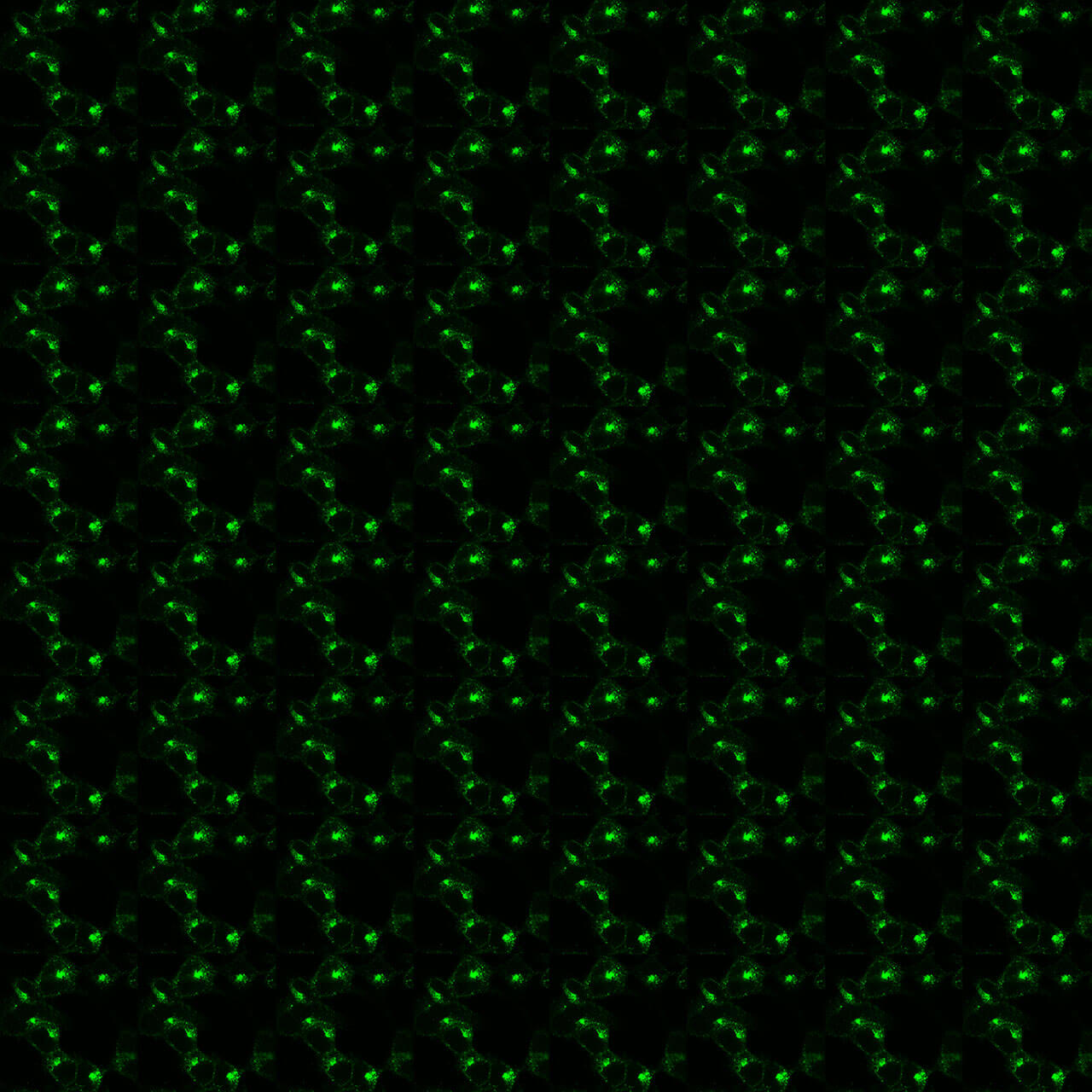
 pT324/pS327-C5a1 (phospho-Complement C5a...