Adhesion class GPCRs (aGPCRs) are a large family of G protein-coupled receptors characterized by unusually large extracellular domains that mediate interactions with extracellular matrix proteins, cell-adhesion molecules and other environmental signals. In humans, the family comprises 33 receptors divided into nine groups, including ADGRL, ADGRB, ADGRA, ADGRG, ADGRE and ADGRD subfamilies. Most aGPCRs contain a conserved GPCR autoproteolysis-inducing (GAIN) domain that separates the extracellular N-terminal fragment from the seven-transmembrane C-terminal fragment. Autoproteolysis exposes a short tethered peptide, known as the Stachel sequence, which can act as an endogenous agonist and activate the receptor after mechanical or structural perturbation. aGPCRs can couple to multiple G proteins, including Gs, Gi/o, Gq/11 and G12/13, thereby regulating cAMP, intracellular calcium, MAPK, Rho-family GTPases and other signaling pathways. Their expression is highly tissue- and cell-type-specific, with important roles in the nervous, immune, cardiovascular, reproductive and skeletal systems. Several aGPCRs function as sensors of mechanical forces, extracellular matrix composition, cell–cell contact or tissue damage, providing a direct link between the extracellular environment and intracellular signaling. Functionally, they regulate processes such as cell adhesion, migration, proliferation, differentiation, immune-cell activation, neuronal development and tissue homeostasis. Dysregulation or mutation of individual aGPCRs has been associated with diseases including cancer, neurological disorders, infertility, developmental abnormalities, metabolic disease and immune-mediated disorders. A number of aGPCRs have therefore emerged as attractive therapeutic targets, including ADGRF5/GPR116 in pulmonary disease, ADGRG1/GPR56 in cancer and neurological disease, ADGRL4/ELTD1 in angiogenesis and cancer, and ADGRD1/GPR133 in bone and muscle biology. Several experimental ligands and antibodies have been developed, including Stachel-derived activating peptides, small-molecule agonists and monoclonal antibodies that can either activate or inhibit individual receptors. However, pharmacological development remains challenging because many aGPCRs have poorly defined endogenous ligands, complex activation mechanisms and strong dependence on receptor processing and cellular context. To date, only a limited number of aGPCR-directed therapies have reached clinical development, and there are still no broadly established drugs that directly target the majority of the family. Overall, adhesion GPCRs represent a highly diverse and relatively underexploited receptor class with substantial potential for therapeutic intervention, particularly in diseases involving tissue remodeling, inflammation, cancer, fibrosis, neurological dysfunction and regenerative medicine.

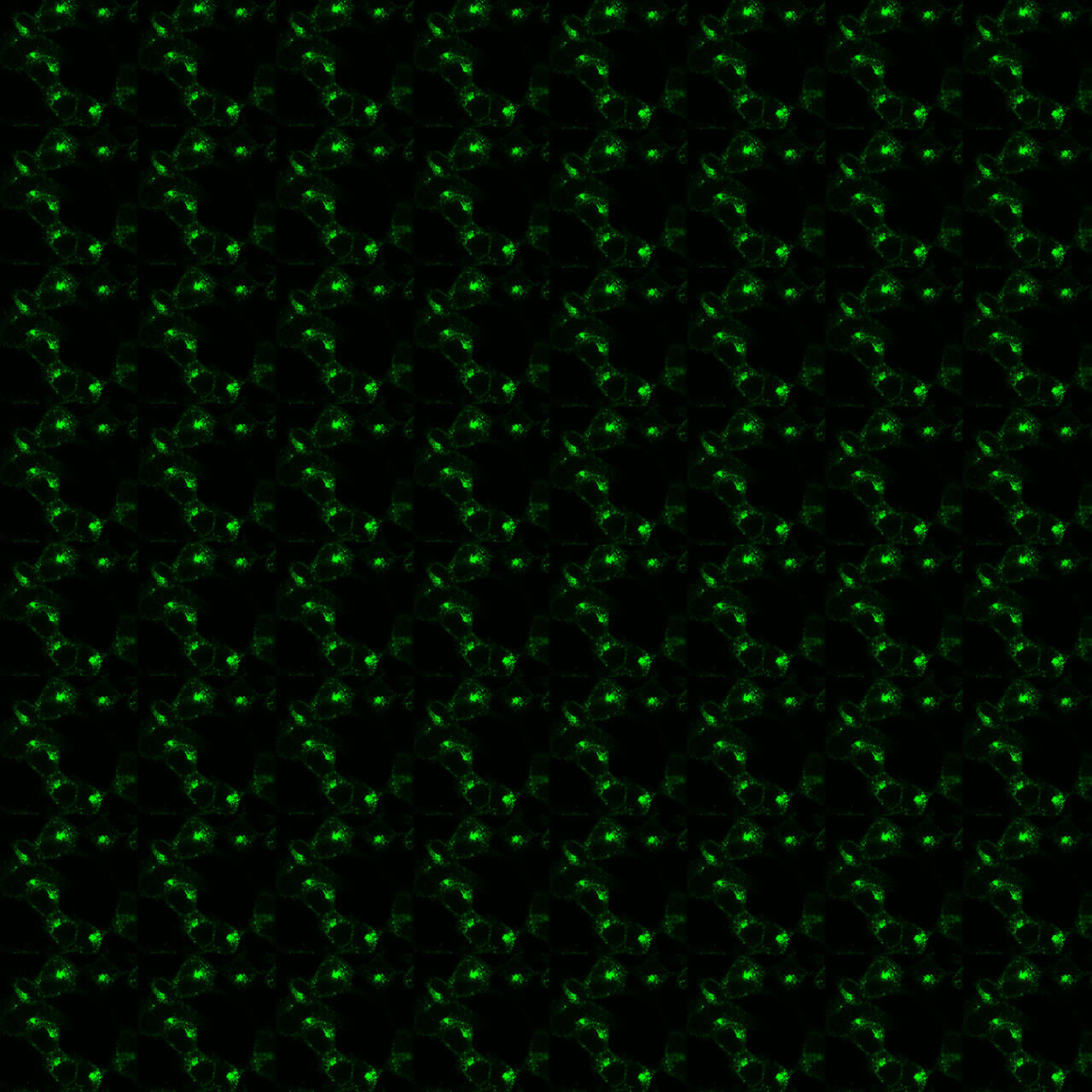
 ADGRG3/GPR97 (non-phospho), Adhesion Receptor...
  ADGRD1/GPR133 (GP-non-phospho), Adhesion...
  ADGRD1/GPR133 (non-phospho), Adhesion Receptor...